The Symphony of a Village
"In Chinese rural society, people are bound to the soil from birth to death, and their relationships with one another grow out of this shared, immutable ground." — Fei Xiaotong, From the Soil
The following content is some snippets of the visit to my hometown. I haven't been back for three years and, as tradition, I had to sweep the tomb for my grandfather and perform the traditional memorial ceremony. All relatives mentioned below are on my dad's side. The passage can only cover a part of everyone's character and his or her life, and is definitely not a full representation of who they are. It is just my personal observations, in this heated summer, of a small town in Chongqing, southwest China.
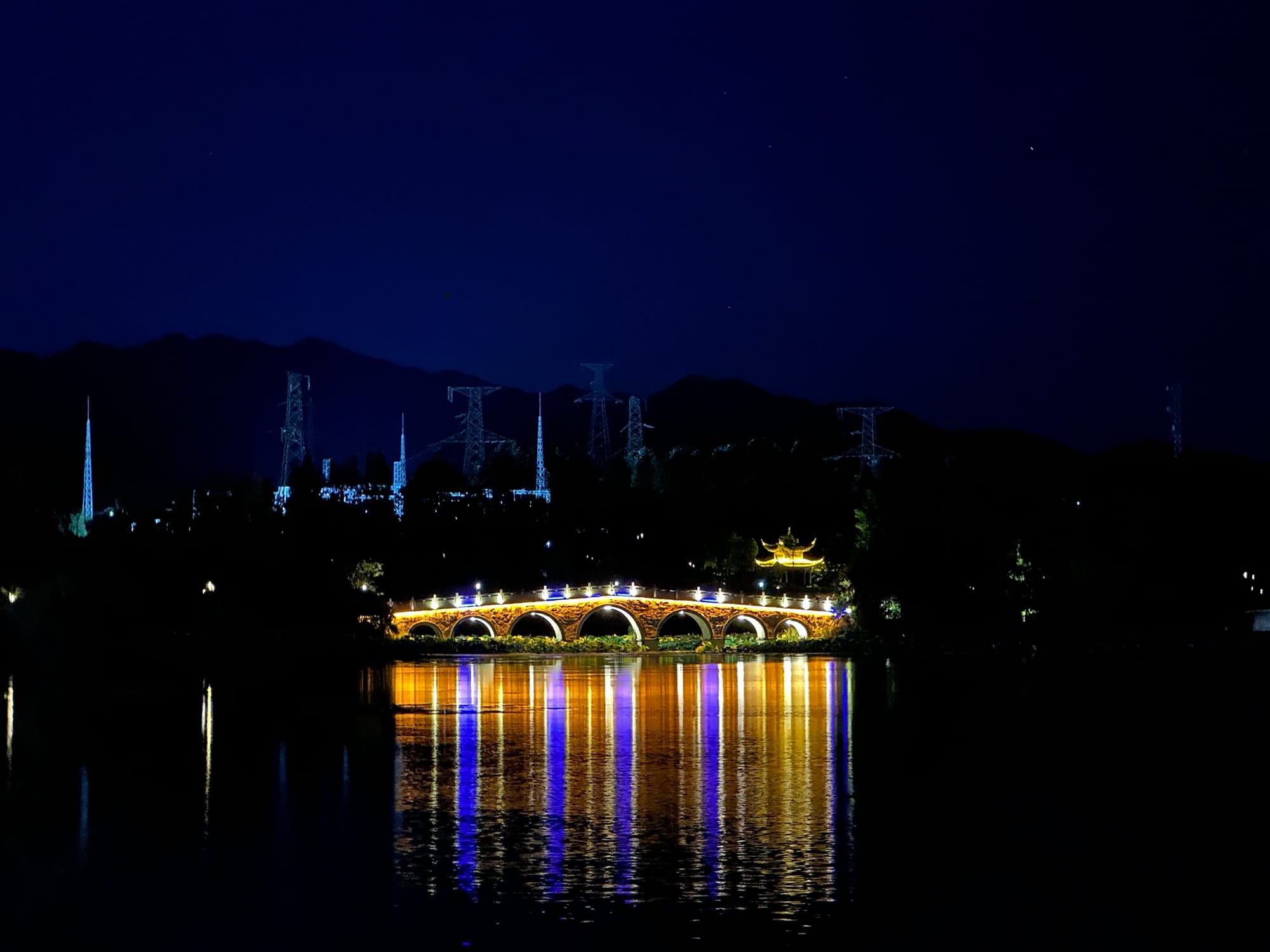
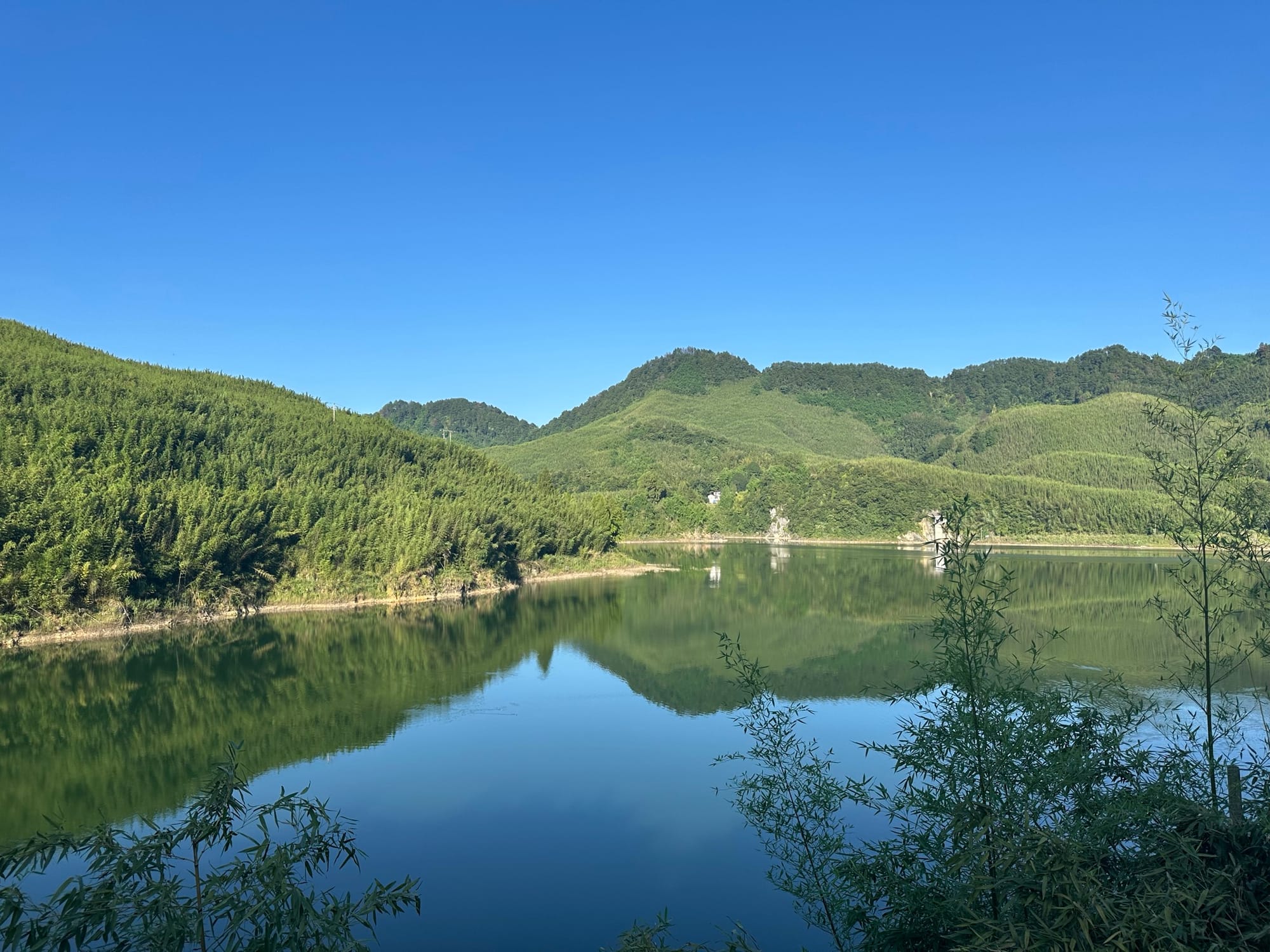
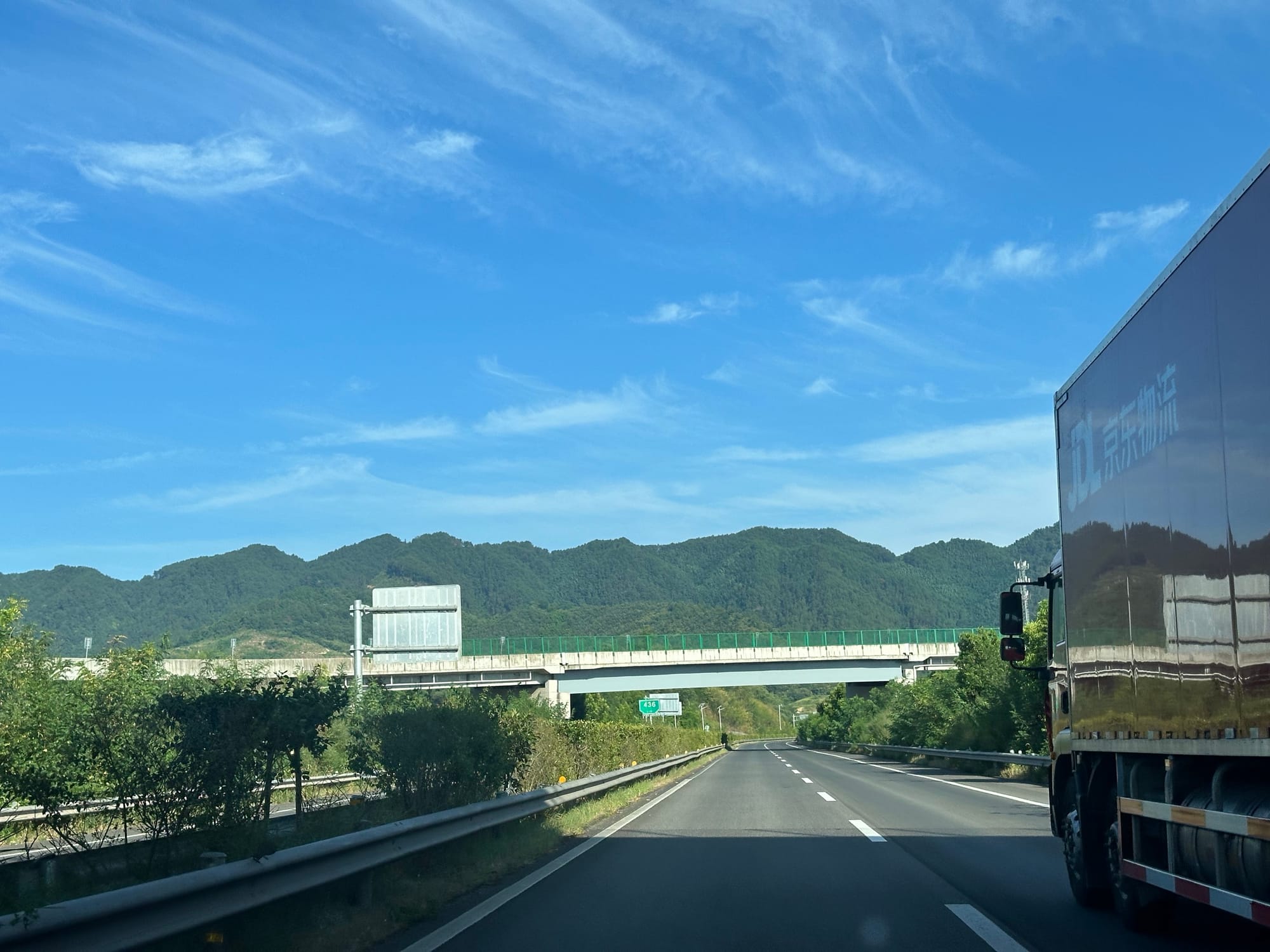
My hometown, Liangping, Chongqing, behind the mountains
My grandfather, says my mom, is the typical farmer character in literature: generous, simple, poor, yet always willing to help.
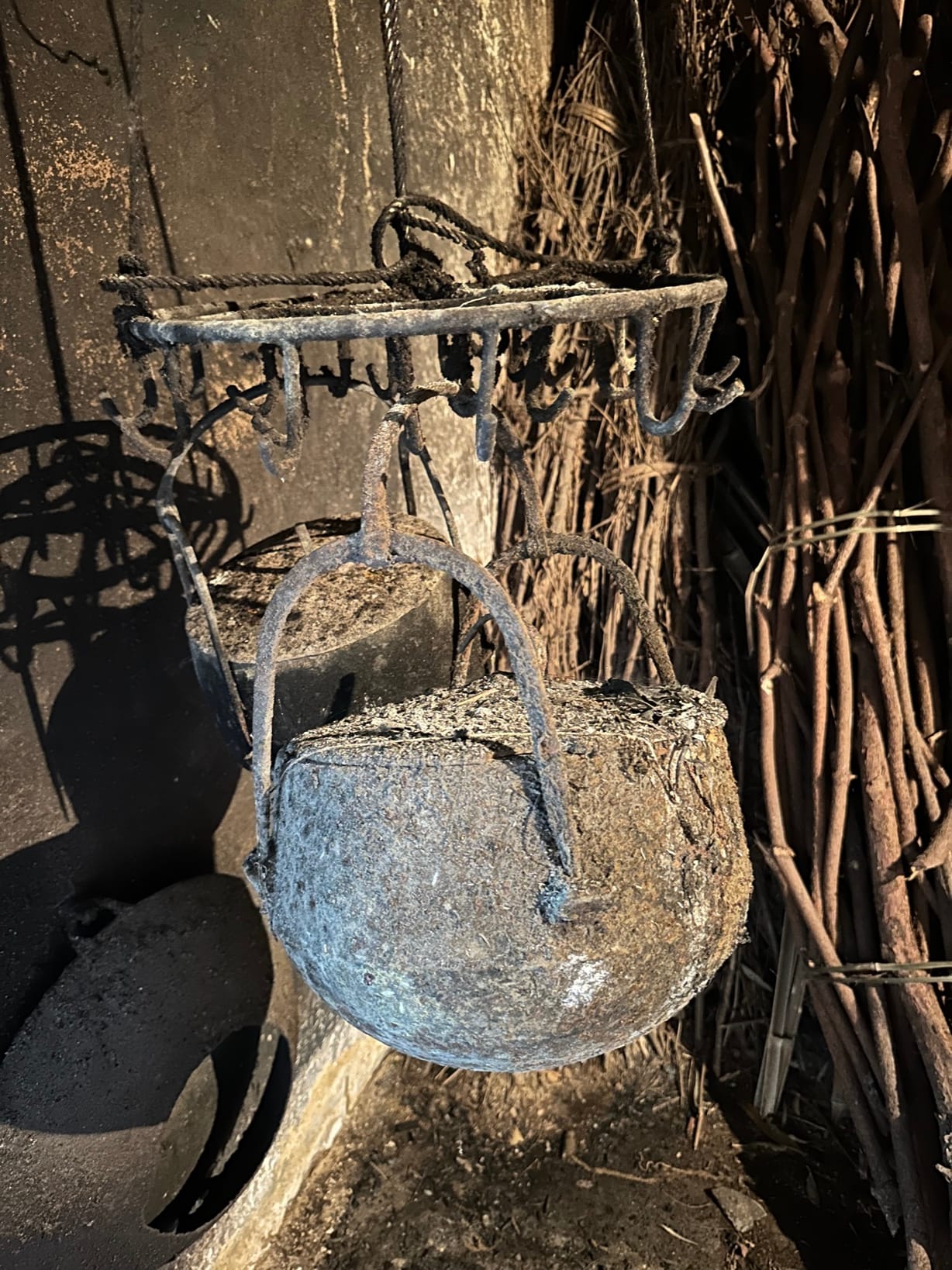
When my mom married my dad and went back to the house for the first time, it was her first time going into the mountains. She couldn't get used to the traditional toilet (basically like a portable toilet in the US) and felt disgusted, so my grandfather built a toilet and a shower place just for her. "He is super hardworking," my mom said, "and even today, firewood that he gathered from the mountains decades ago remains neatly stacked."
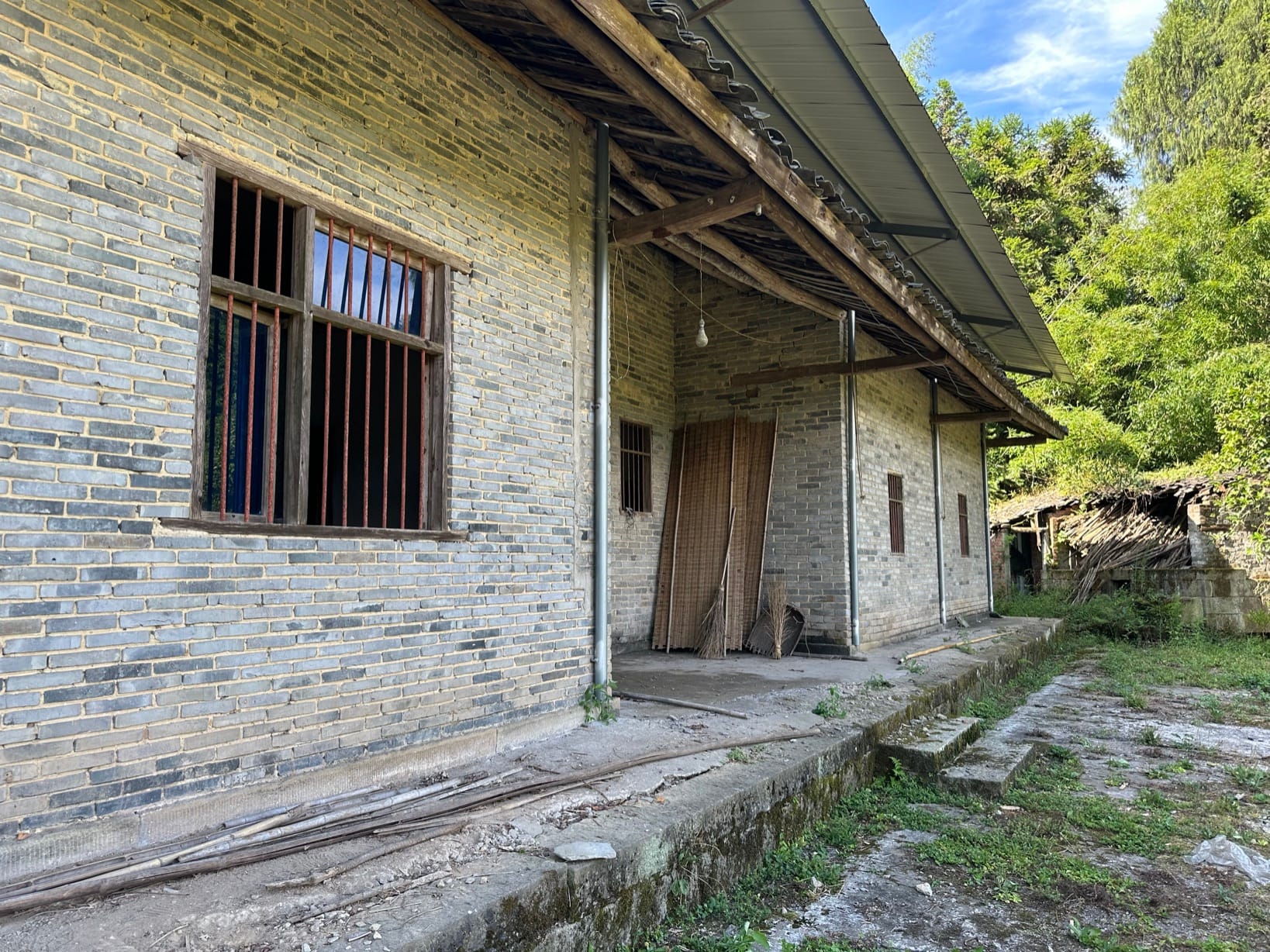
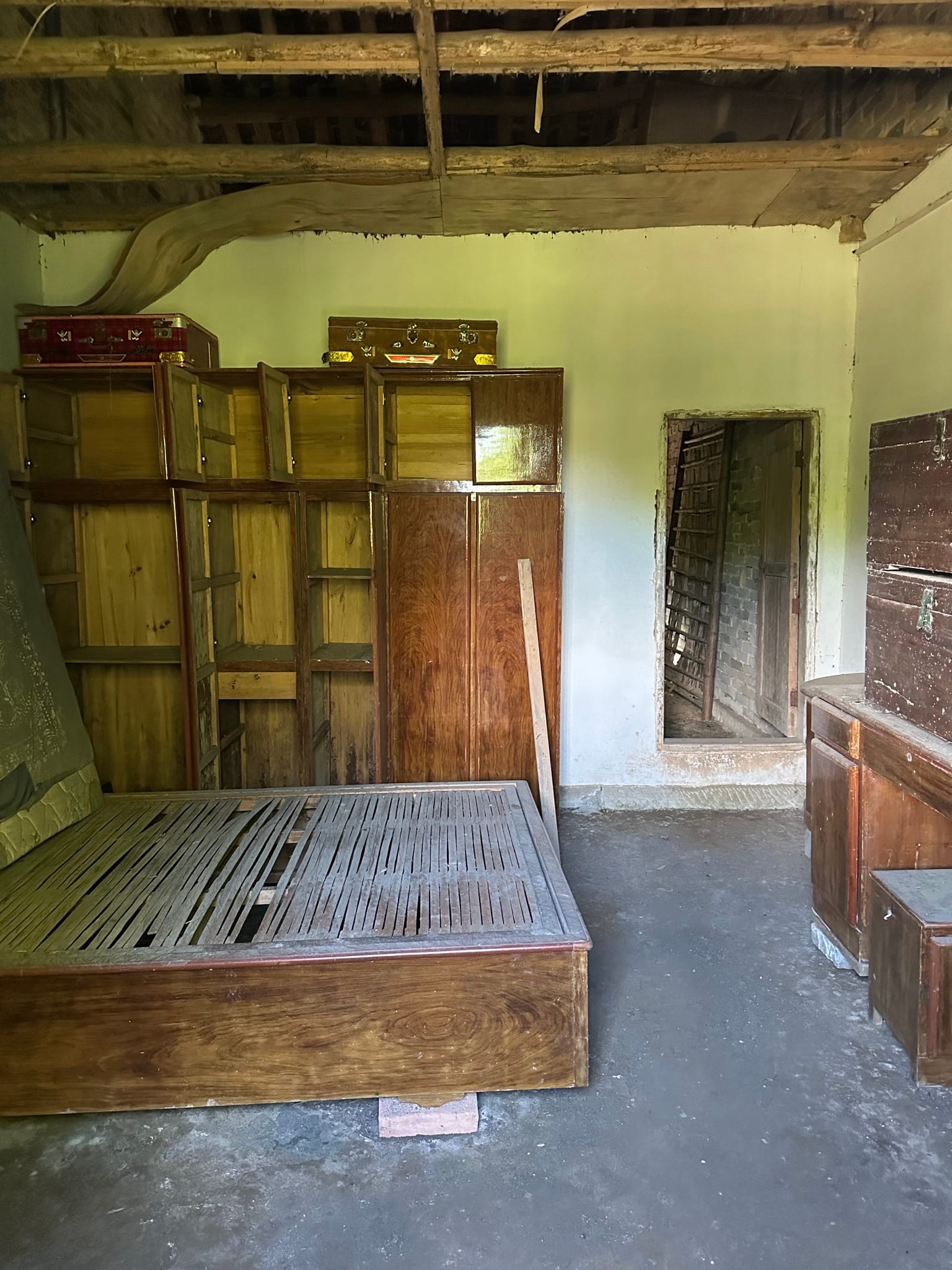
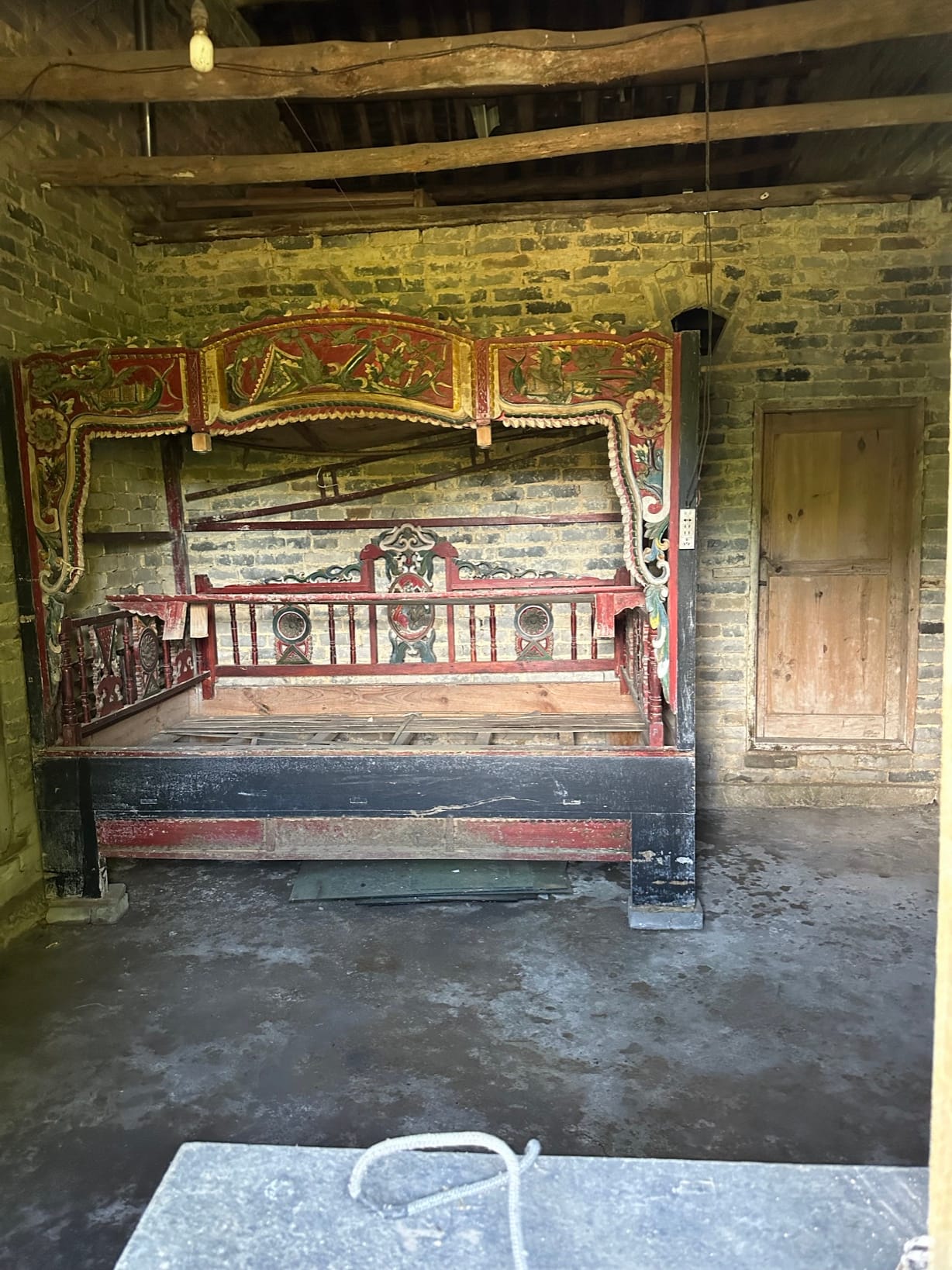
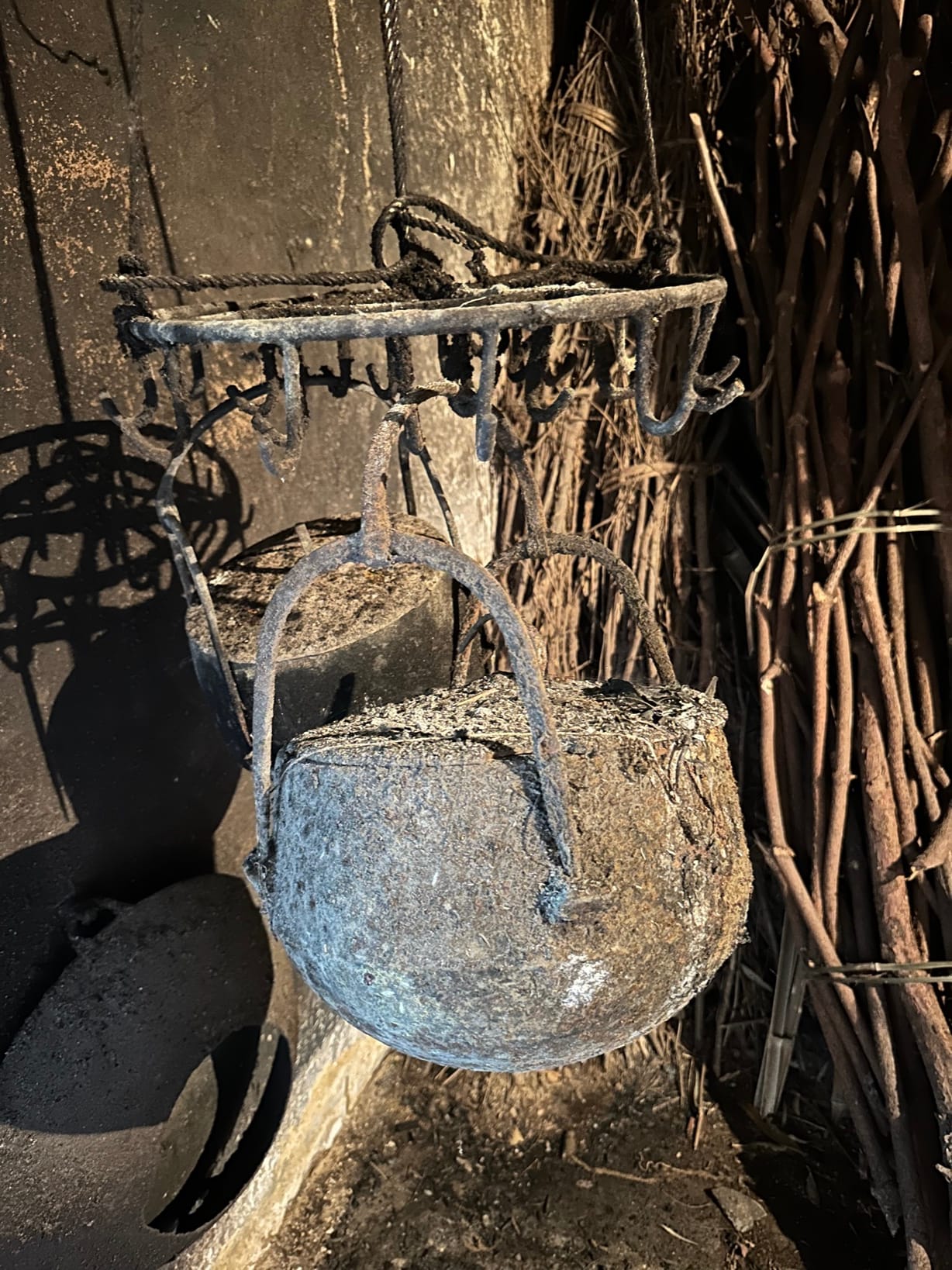
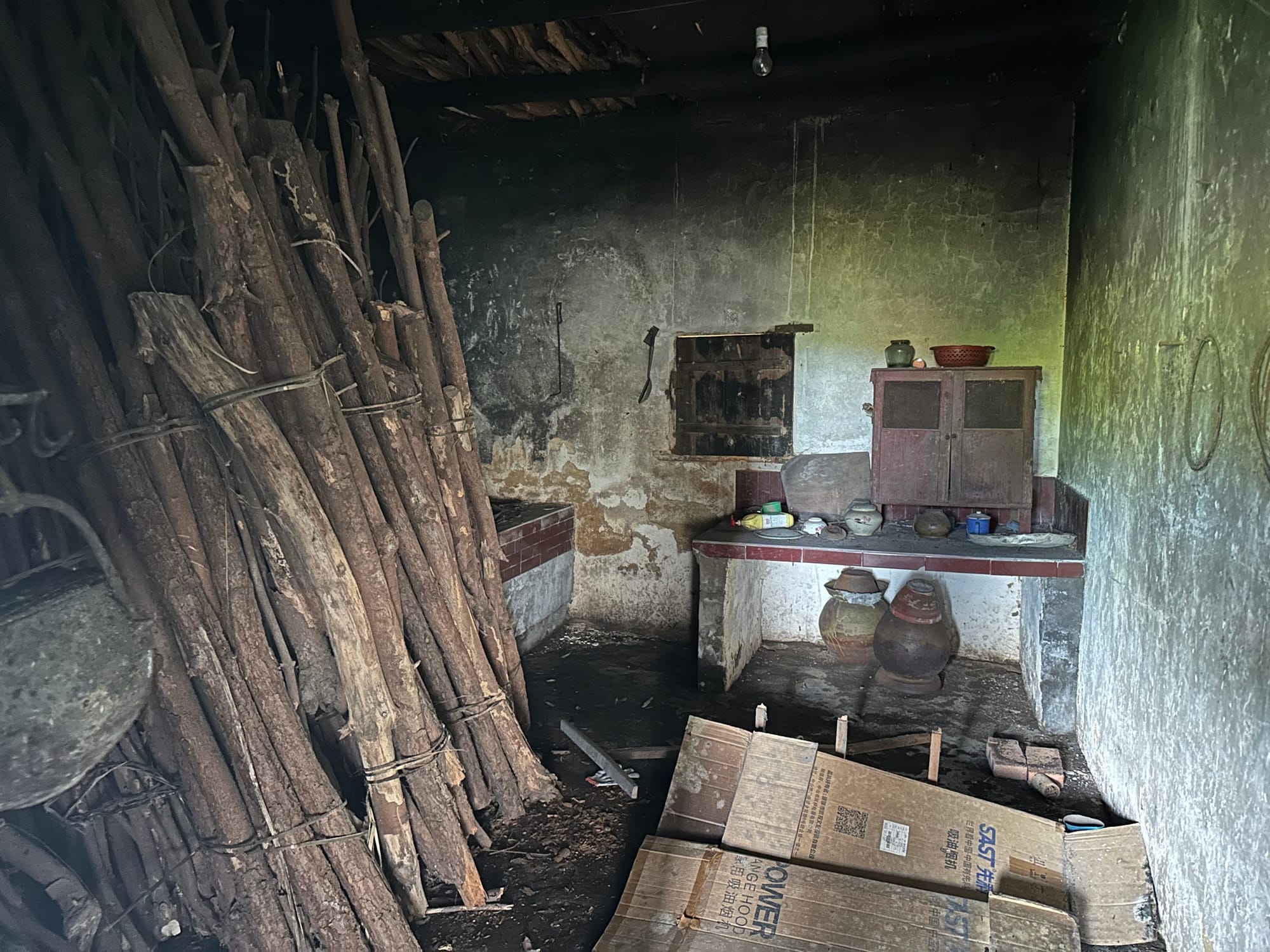
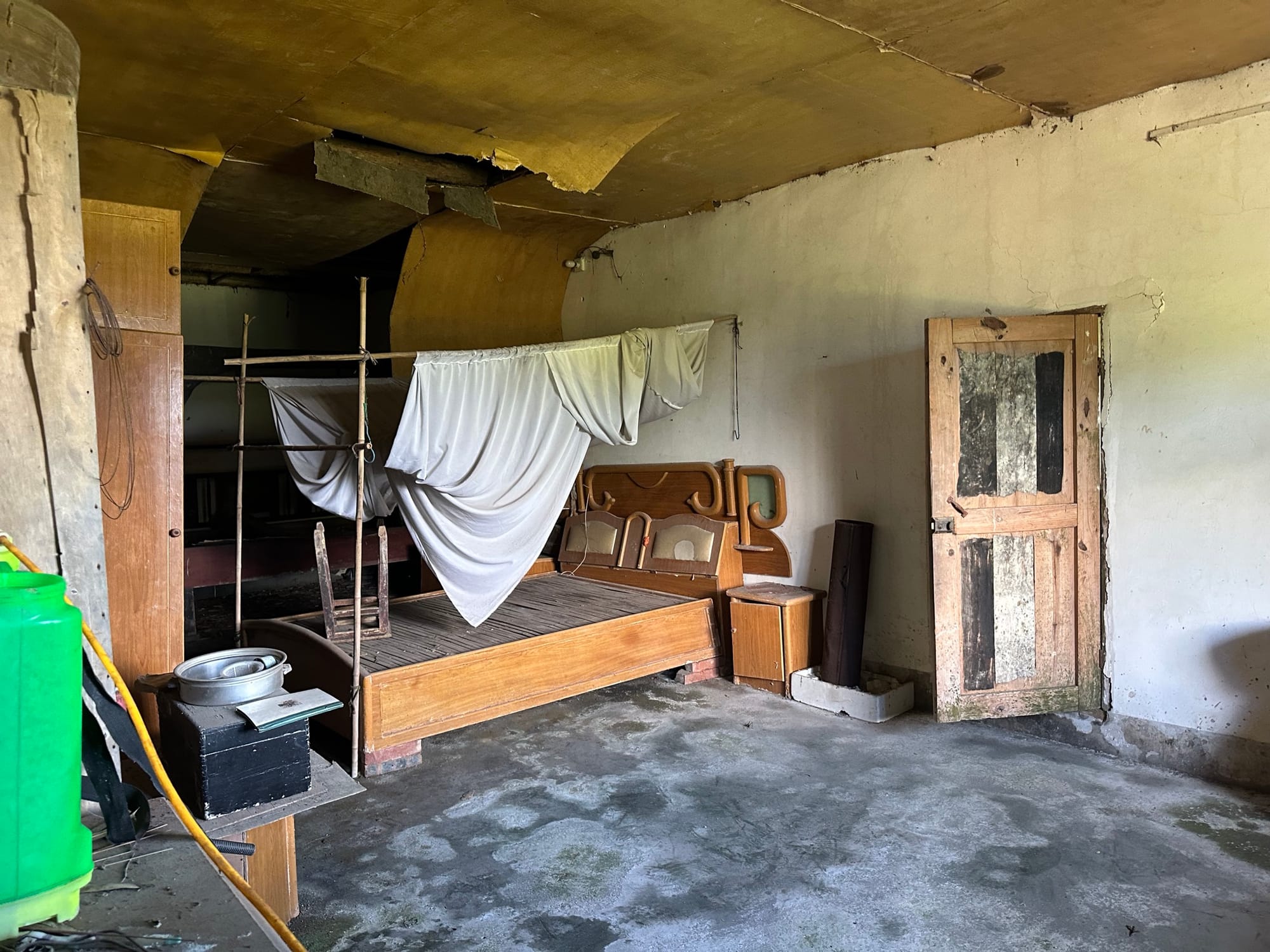
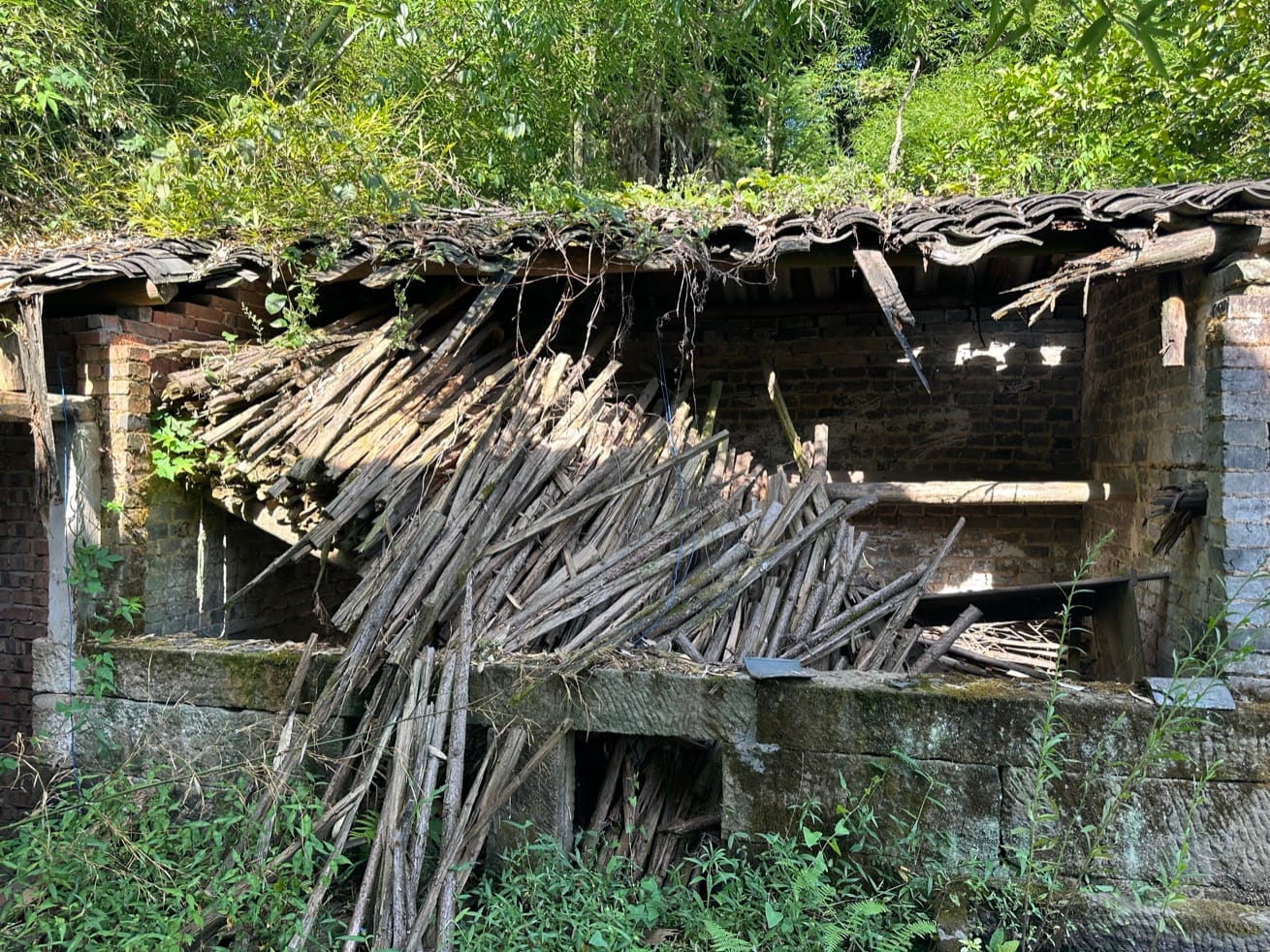
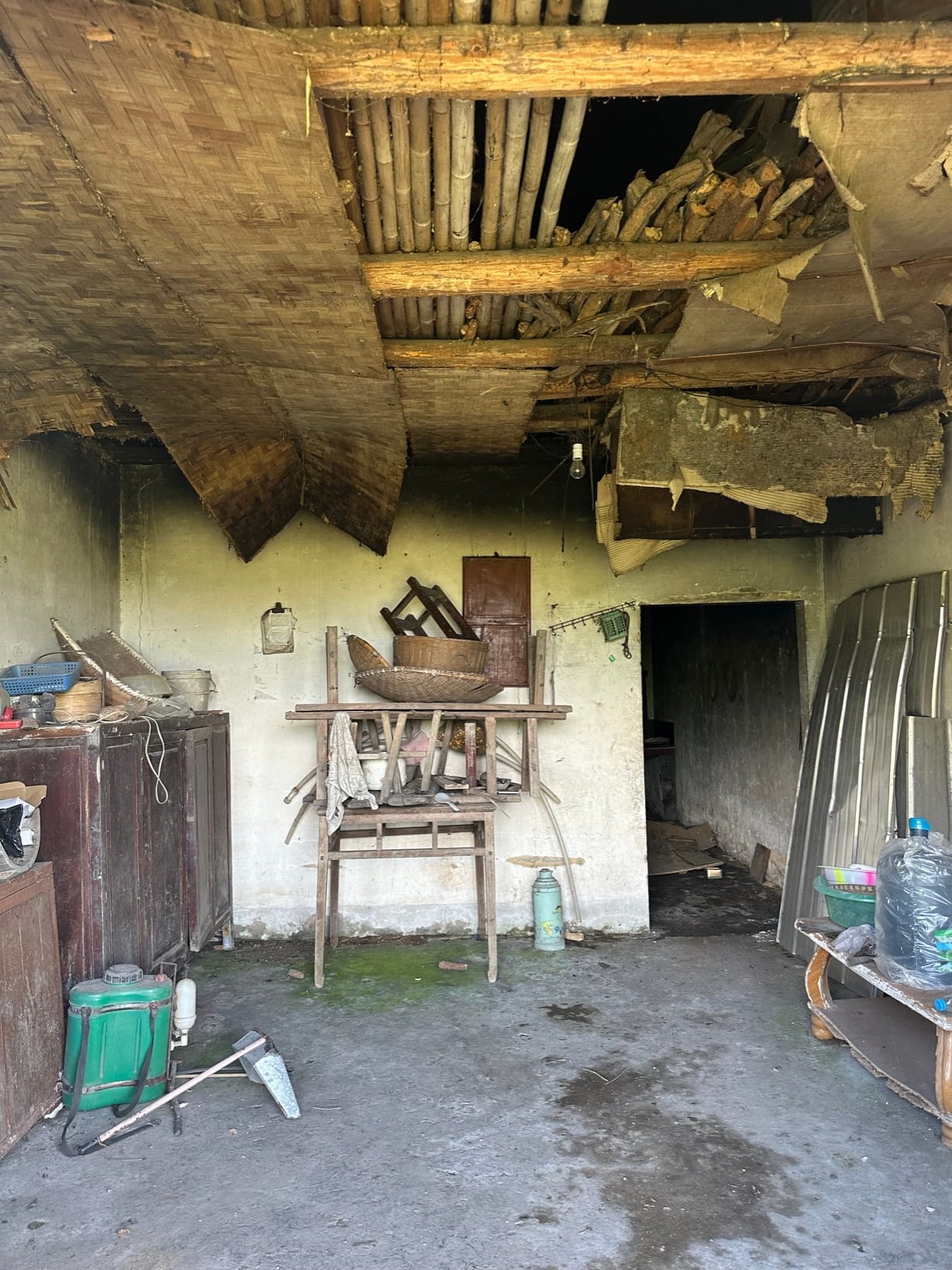
The old house that my uncles and my grandparents used to live in. Image 5 is the firewood.
My hometown was hidden deep in the mountains, a silent, little, isolated village. When I was little, I remembered every car ride taking eight hours or so, winding across three or four mountains. Every time, I would get carsick and almost throw up. Now everything is so much easier with a three-mile tunnel, but you can still barely hear any cars driving by. It's a small, quiet village. The street is empty.
Yet once you get a little closer, you will know that this town is not silent at all.
The first sound that you will probably hear is the sharp, plastic clatter of mahjong tiles being shuffled and slammed down onto tables. It's too hot outside, so even with fans, townspeople still play mahjong or cards indoors, their voices rising in heated Chongqing dialect. The restaurants are also quite busy, because food prices have actually dropped in recent years in China, and you can see people drinking, eating, and cheering. Stray, cute cats curl up under the shade of restaurant chairs.
But if you have been here before, something still feels not quite right. Or, perhaps, something is too right. The place looks exactly like your memory. You can still identify the spot where you set off fireworks, the shops where you bought things, and the people you knew. Everything looks exactly the same. Except, there are no young people. No students, no kids outside. Maybe that's why it feels so silent. The town is getting old; rust and moss are covering the town's color and appeal, and the younger generation is leaving.
So people in this town have known each other for decades now. That's why there is so much eating and cheering. It's like an after-retirement gathering—since Chinese people like to return to their roots, right?
Still, not quite so. If you listen to the mahjong table more closely, you will find that most of the time they are arguing about the money in the current round. As soon as we saw grandmother, she started to complain about her third son, the son she currently lives with. Food prices are dropping, but so are wages and the overall economic condition. When I was little, my two uncles and my dad would take turns hosting the rest of the giant family for Spring Festival. But that does not happen anymore.
This town is caught across three distinct generations, each trapped in its own rhythm. There was my grandfather’s generation—farmers who sacrificed, built toilets out of love, and left behind neatly stacked firewood. Then there is my parents' generation, who escaped to the cities, succeeded, and now feel completely detached from the rural homes they left behind. And finally, there are the kids—my cousins and their peers—struggling to find jobs, lost under the burden of university tuition debts, hidden away indoors behind air conditioners, rendering the streets hollow. "They kicked me out because they thought they couldn't get enough money from me," my grandmother complained. "They don't have enough money to raise their kids—why is that my responsibility? I raised my kids with my own money, and now they want me to use my money to raise theirs? How can this make sense to anyone?" Money, money... it's the underlying motif of this symphony. It's never directly brought up, but every sound, every instrument, every participant is adding their own melody to the theme.
Actually, in just about ten days, it will be my third uncle's fiftieth birthday and my cousin's twentieth birthday. According to tradition, my third uncle would host a big feast to invite friends and relatives. But my dad didn't want to come. He, like my mom, lost his connection to the hometown a long time ago. The only requests he gets now are people asking to send their kids to the company where he works. He has grown tired of giving money and responding to these employment requests. He drove around the town with us, but he couldn't even find his old middle school. China has changed so much in the last forty years, and so has everyone else.
The town was well-built, yet hollow and dead. My mom joked that these looked like American suburban homes—where the most expensive type of house in the US had somehow become the most accessible structure in rural China. Trees were wrapped in decorative lights and eight milk tea shops lined the shopping mall, but the restless, hungry energy of China's past was missing. You can hardly see anyone under twenty outside. While their parents are playing the most dramatic climax in this symphony, the youngest generation chooses silence behind air-conditioned doors. Is it acceptance? Acquiescence? Or abandonment? Regardless, everyone is just playing out their own quiet, solitary symphony.
Yet still, there are more sounds in this giant symphony that I couldn't cover. On our way back, my dad mentioned that one of my distant aunts used to be afraid to walk back alone, so my grandfather would walk with her every time she needed to cross the mountain. There are also many silent farmers, tending crops in the field under a 110-degree sun, praying for rain after twenty consecutive days of scorching sunshine. I didn't ask what my dad really thinks of his hometown—this place that he is most familiar with, yet so deeply isolated from. But time continues to fly, and all of us just add one more note in this never-ending, yet never-recorded symphony.
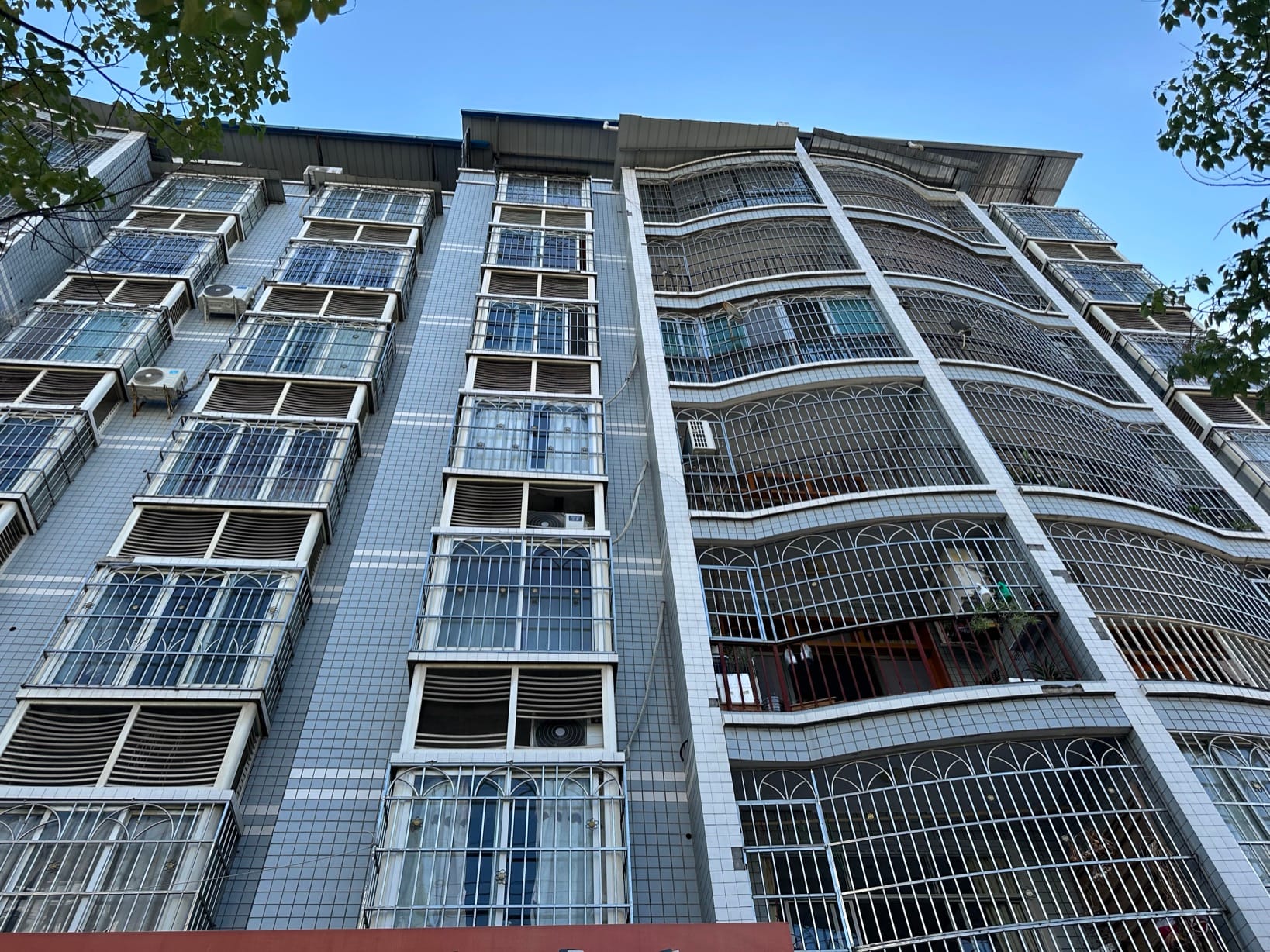
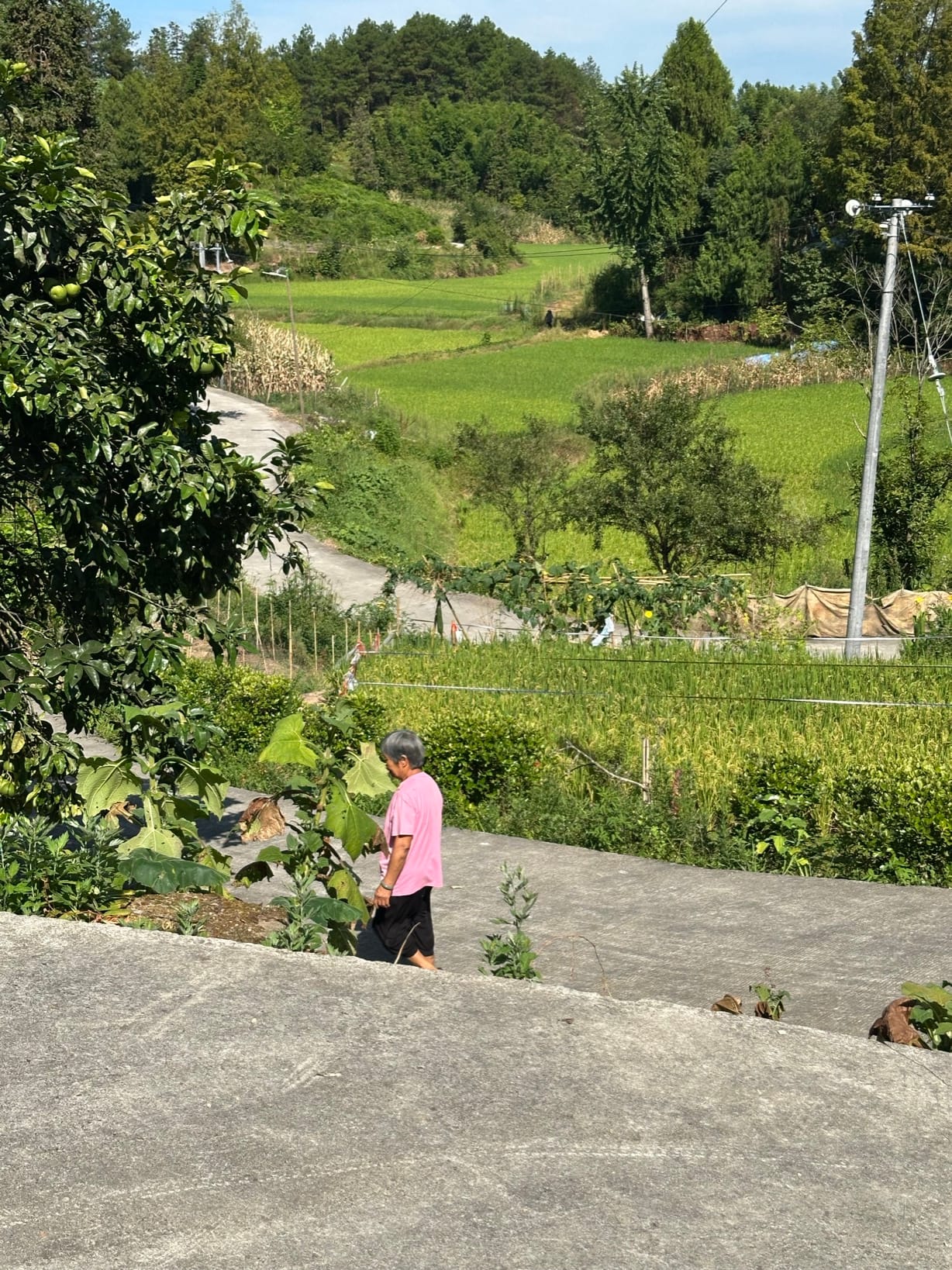
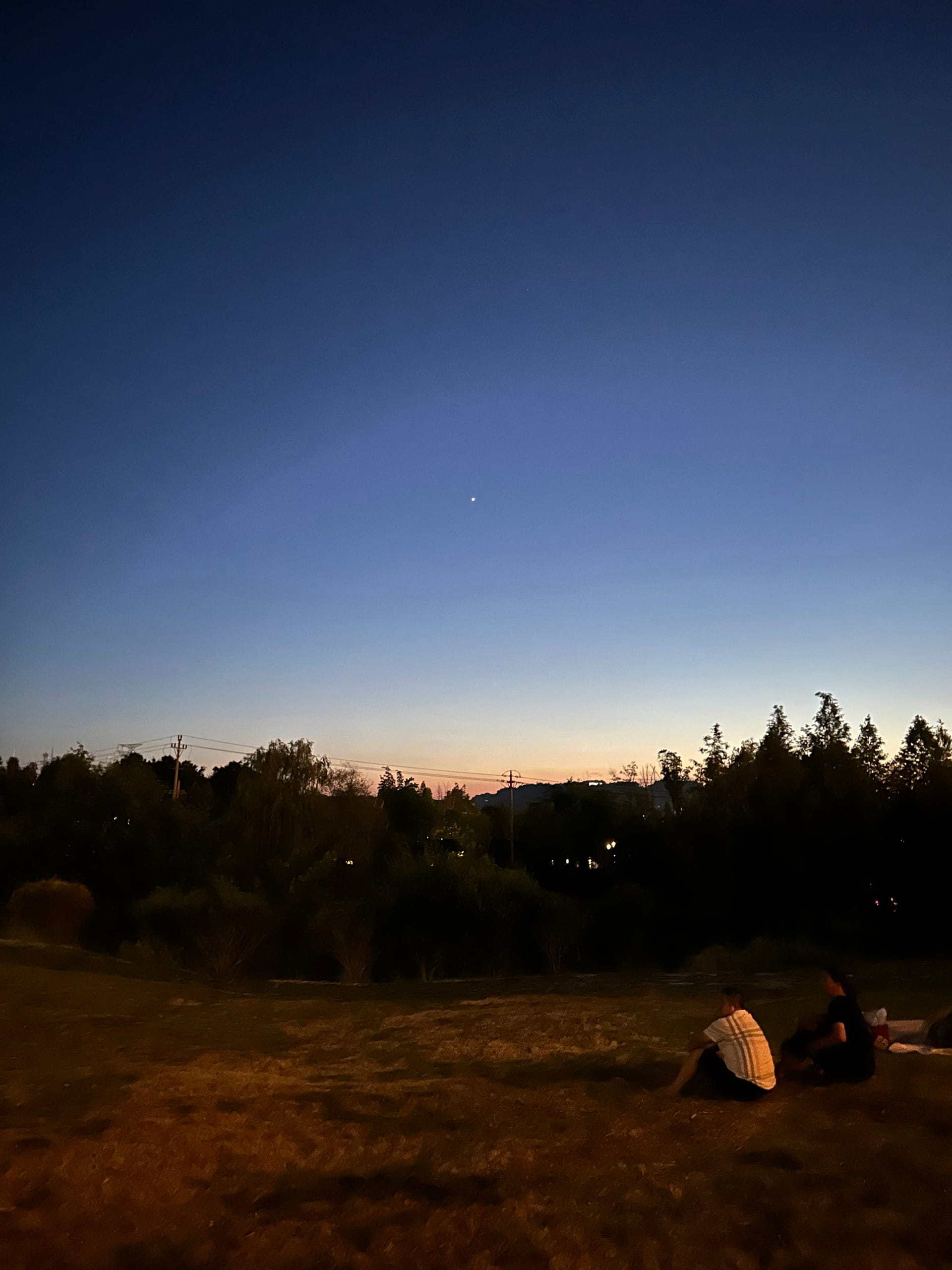
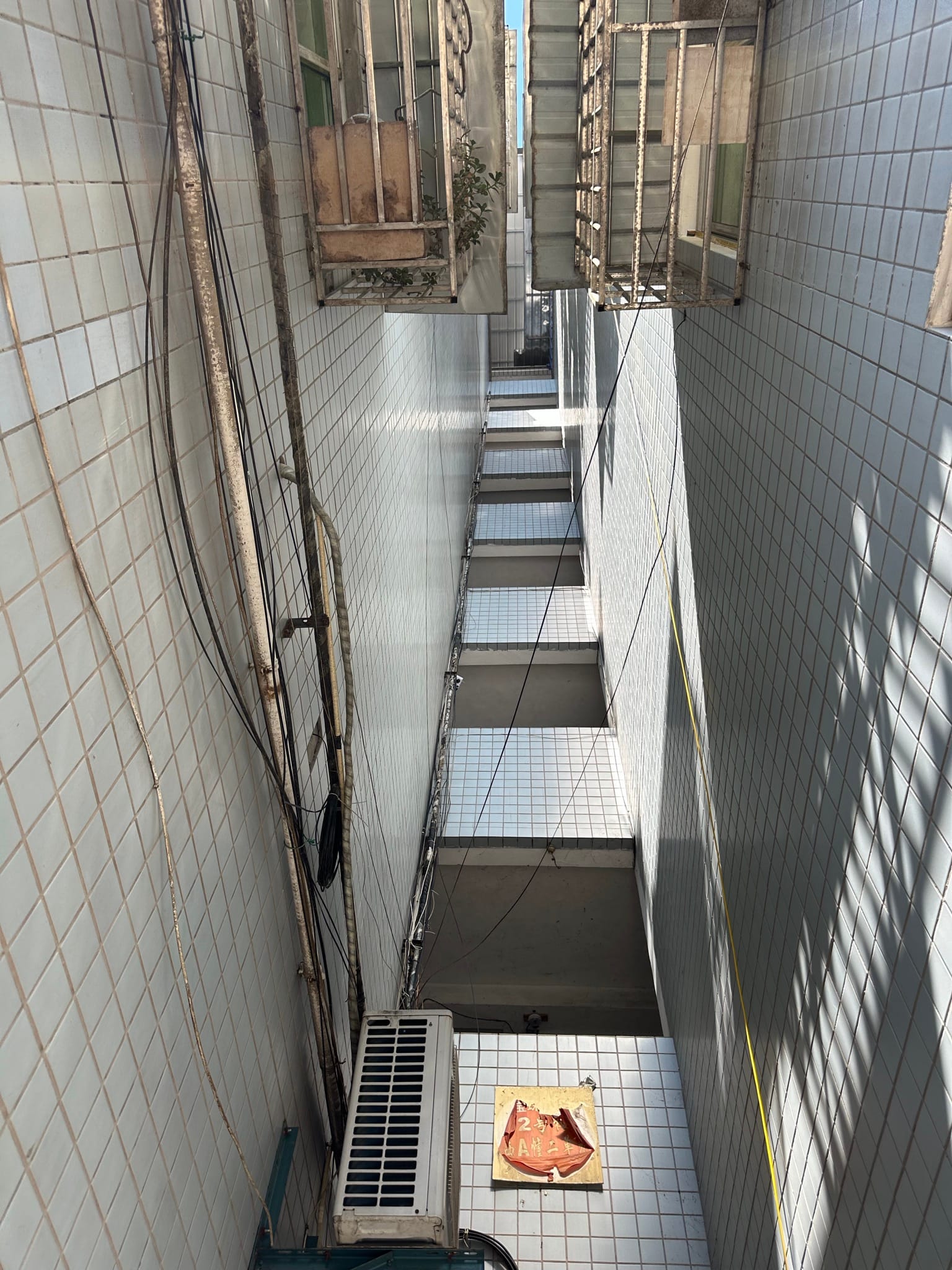
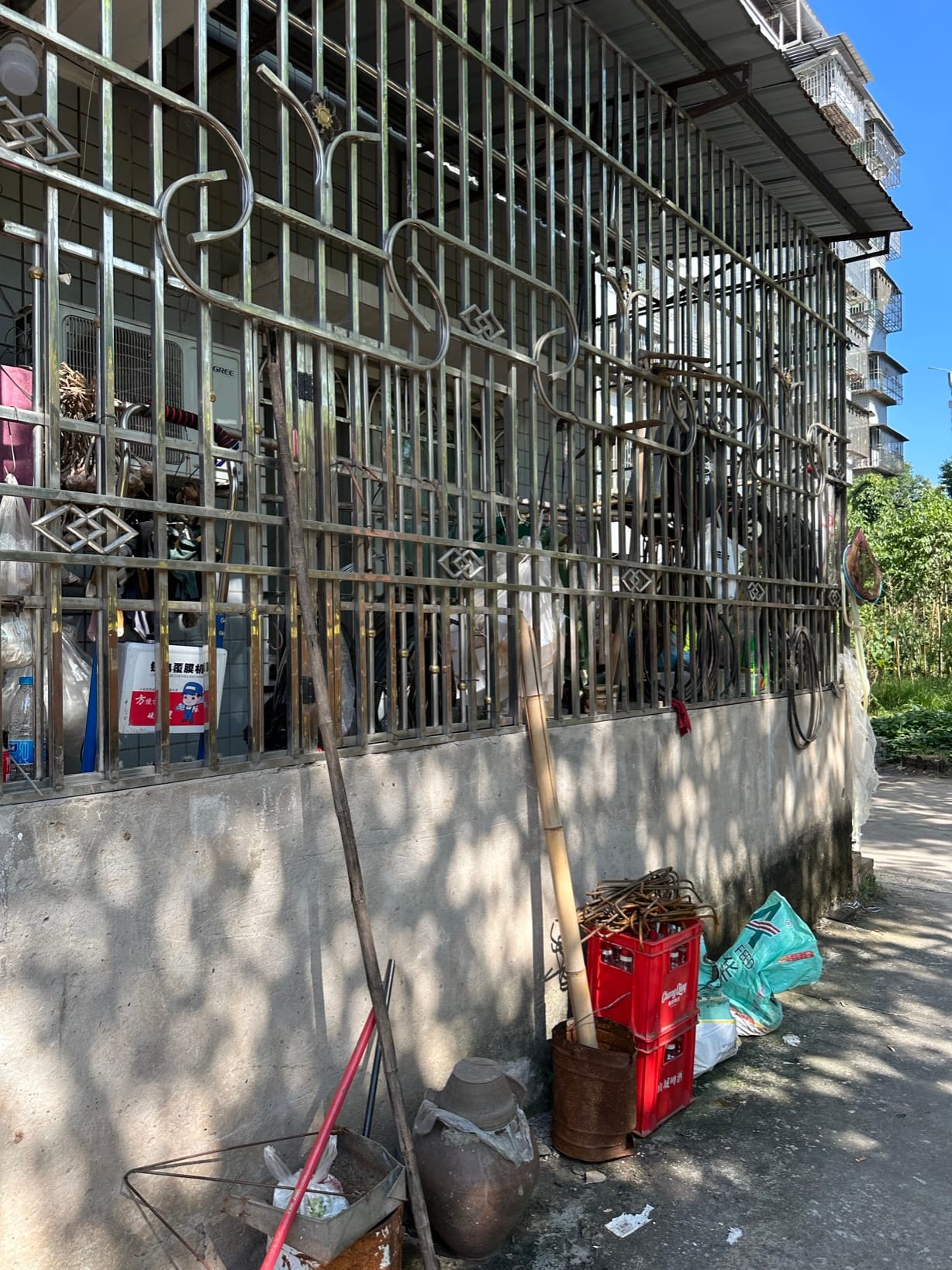
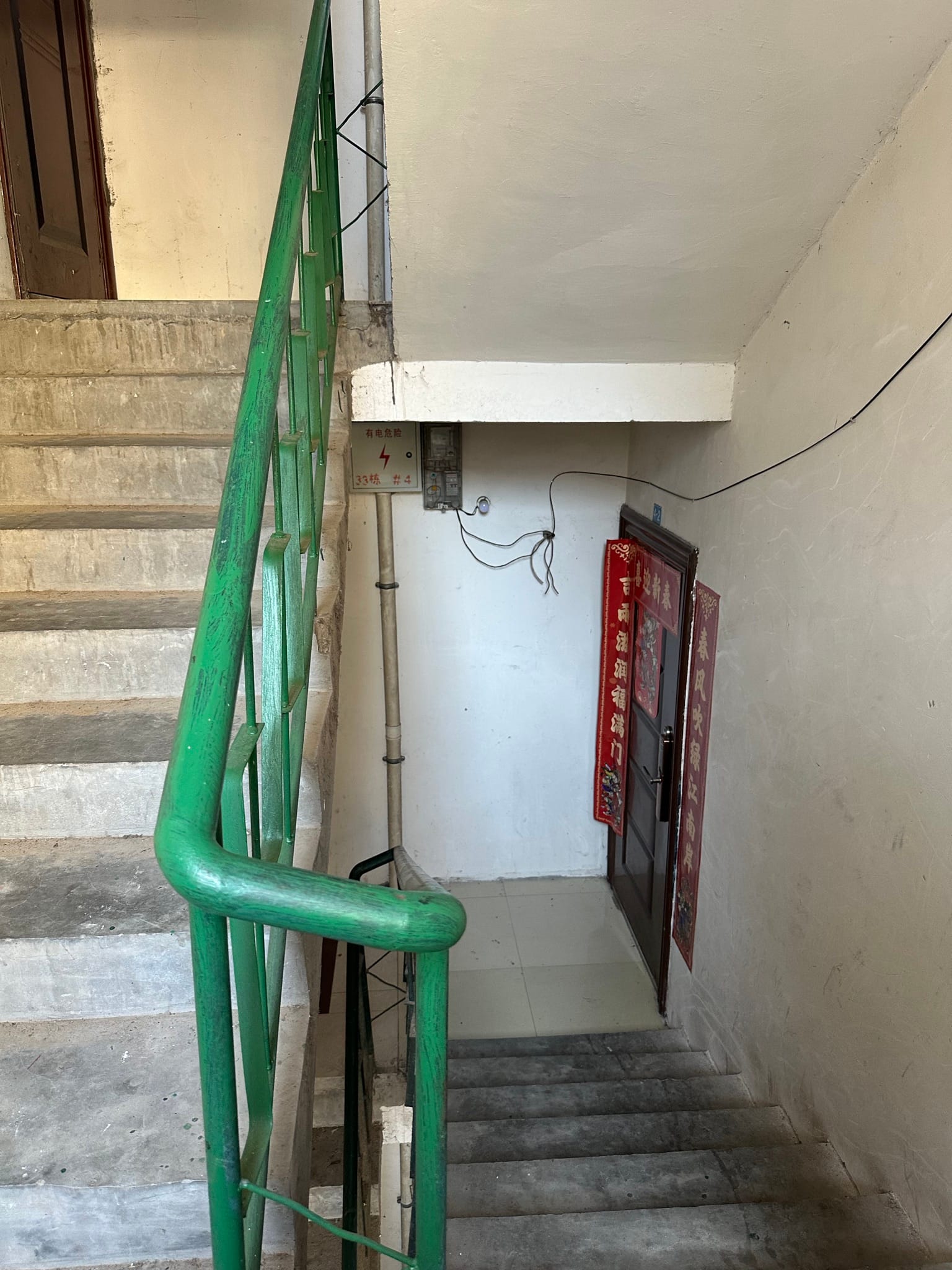
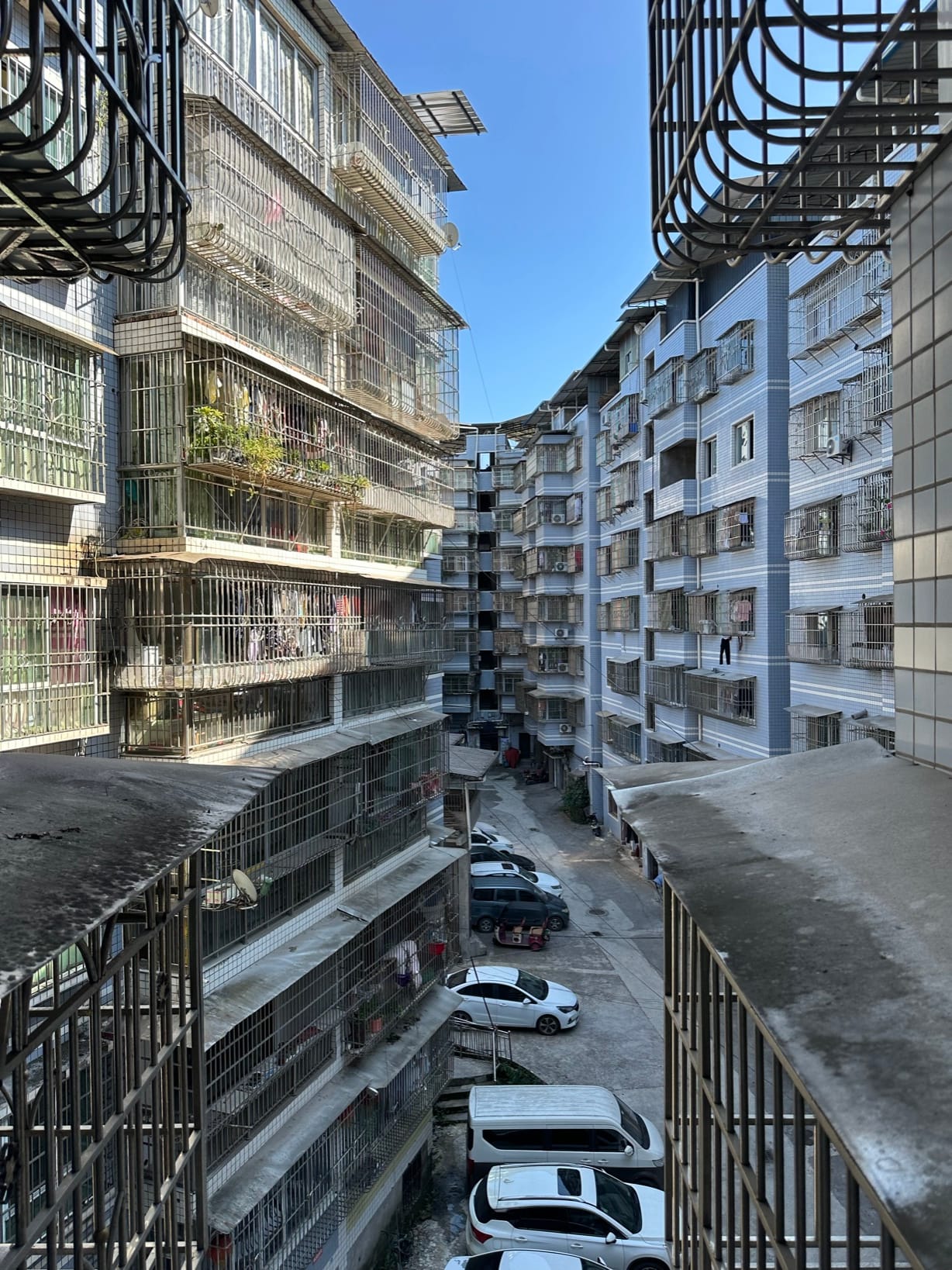

The well-built, but aging, hollow town. (Image 2 is my grandmother)
"The traditional web of interpersonal relationships, once woven tightly by custom and kinship, expands and fractures as society shifts—leaving individuals tied to a place they no longer truly inhabit, and distant from the soil that raised them." — Fei Xiaotong, From the Soil