Athens: A Tale of Street Art and Ancient Stones

I didn’t realize it yesterday, but when I got up this morning, I found my hotel actually offered a great view from the window: on one side is the sea, and on the other side, on the hill, is the Acropolis.
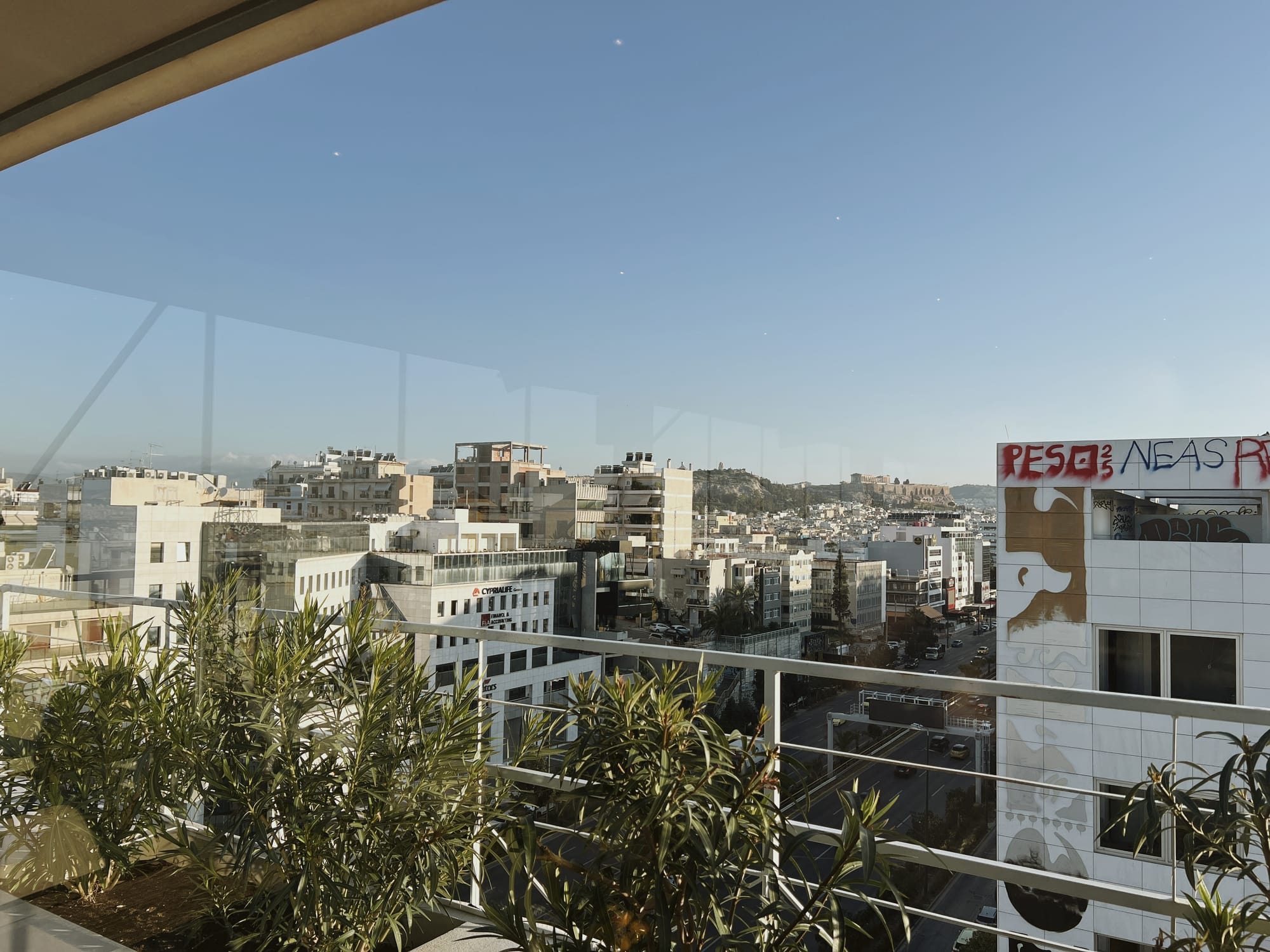
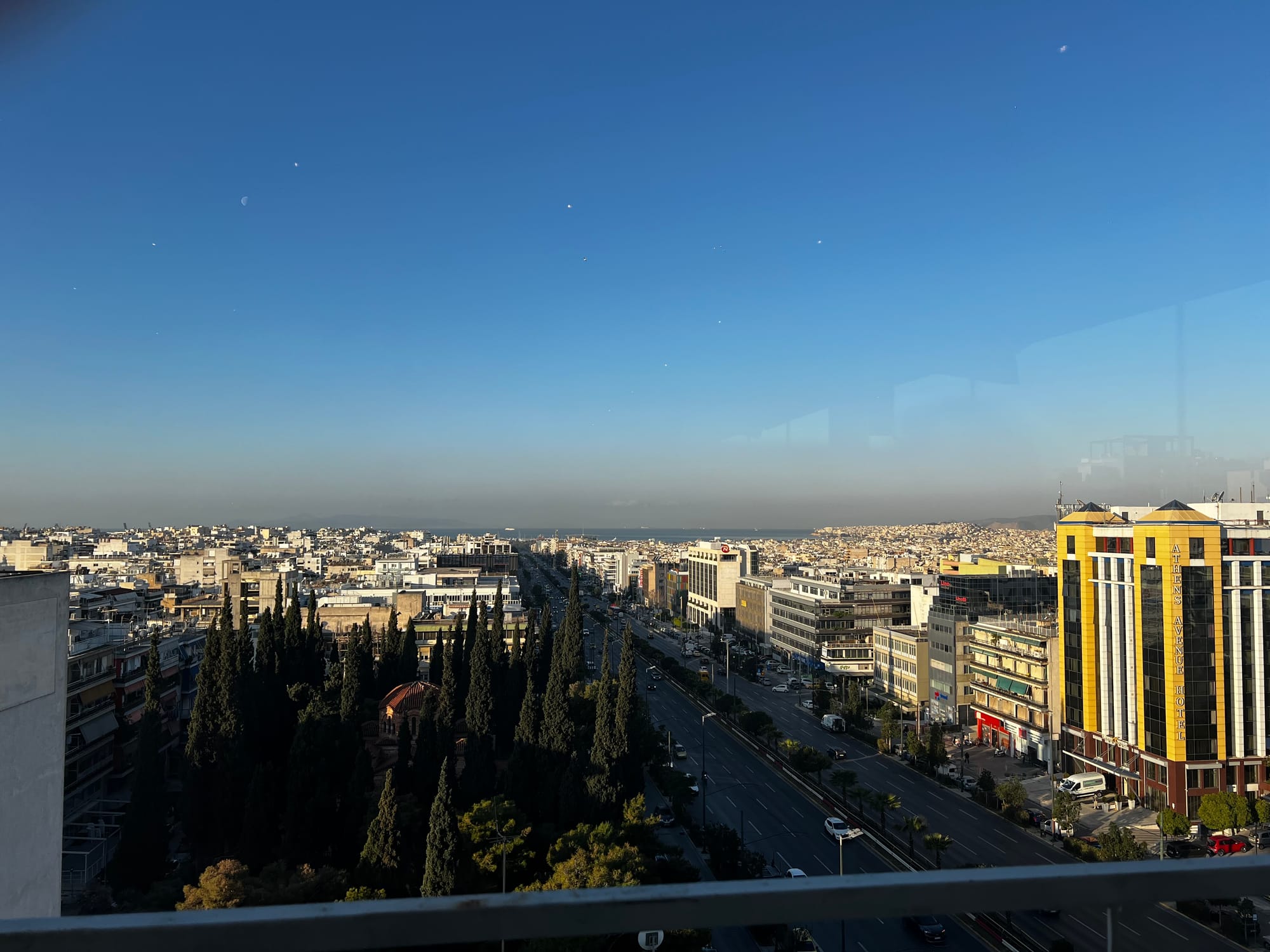
We arrived at the National Archaeological Museum at 11:30, but we found out the museum opened at 13:00. So, we walked a little (only 30 minutes) to the Old Town and visited the churches there (don’t tell my mom that we didn’t make a plan—it was a "city walk").
The Spirit of Athenian Graffiti
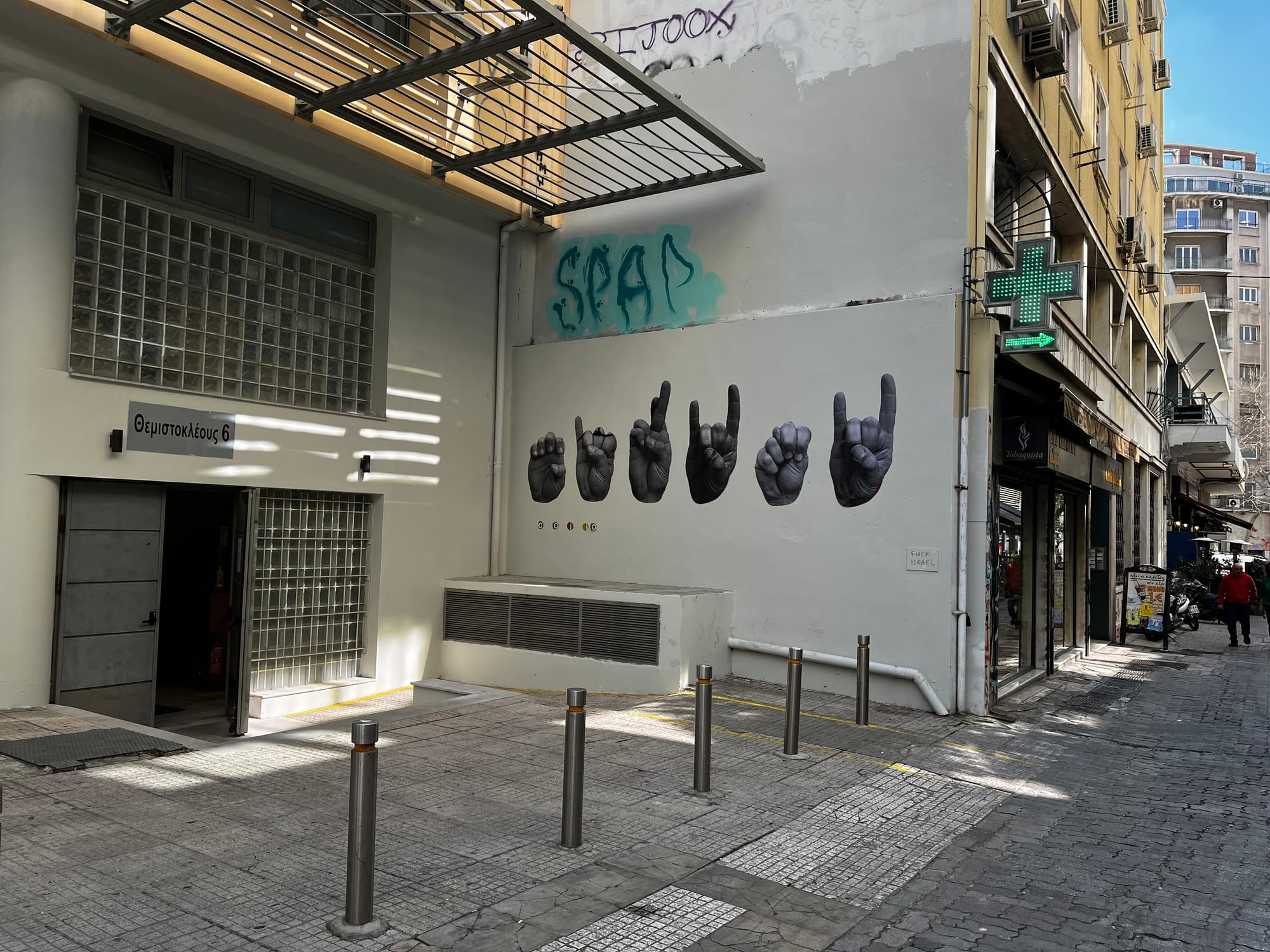
On the way, we saw a lot of graffiti. Our friend, who has lived here for 10 years, said the graffiti originated as a form of anti-government protest, but the government and businesses also sponsor artists to work on it now. To quote my friend:
"The graffiti here isn't mere street scribbling. It draws inspiration from Western street culture yet possesses a wholly distinct spirit. America's Wildstyle is reimagined with Greek-inspired spontaneity, while Europe's popular Stencil Art is infused with political satire. Surrealism, mythological elements, and social commentary all contribute to Athens' street murals brimming with dramatic tension. Some protest through color, others narrate freedom with brushes—every wall reflects the city's most authentic expression.
So, who creates these works? Athens' street art encompasses both free expression from underground culture and officially curated murals. In rebellious neighborhoods like Exarchia, youth artists spontaneously create anti-government graffiti, their spray paint hiding anger and cries for change. In neighborhoods like Psirri and Metaxourgeio, however, some murals are created by world-class artists invited by the government or art institutions—even sponsored by brands—transforming entire walls into new urban landmarks."
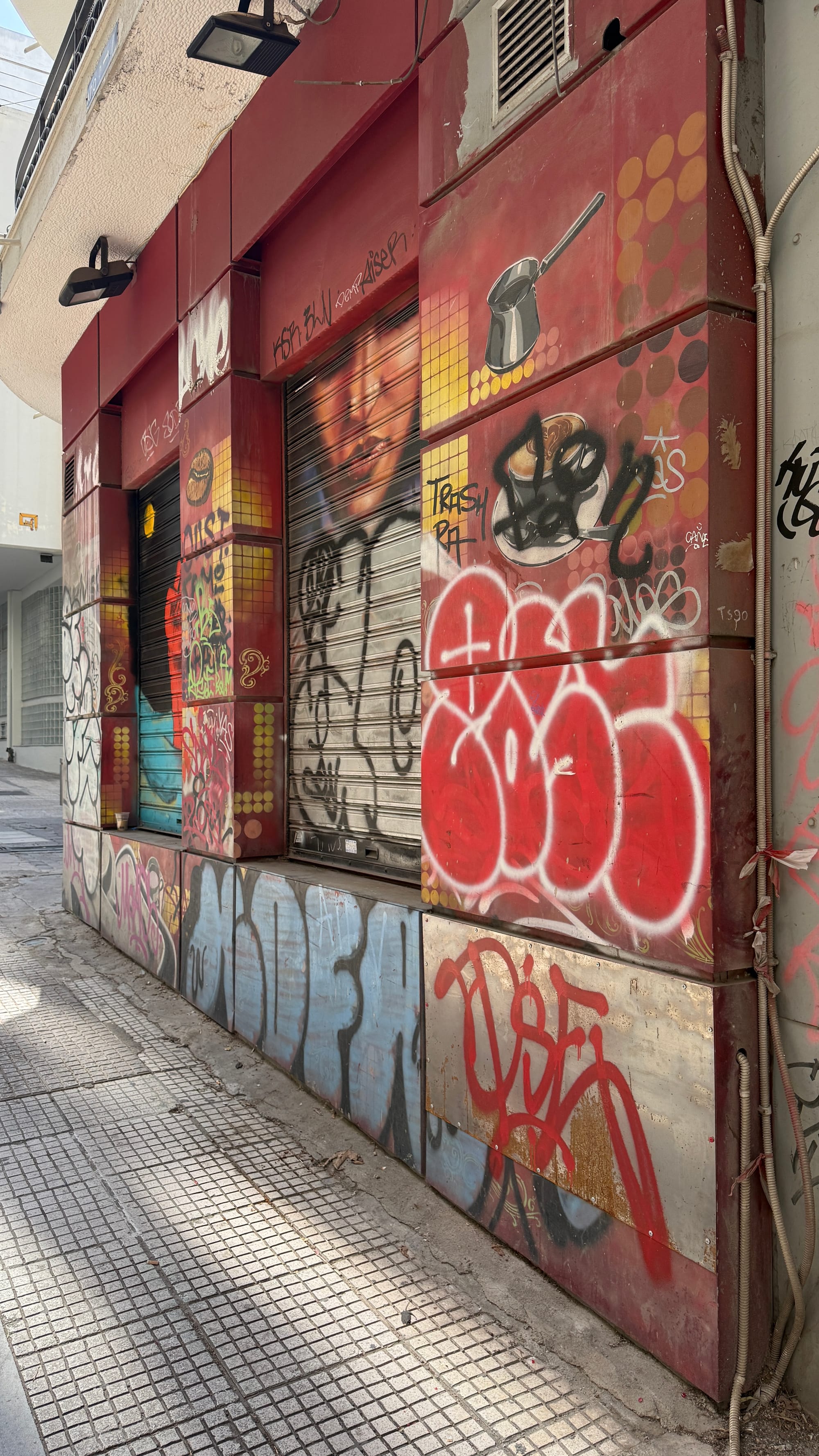
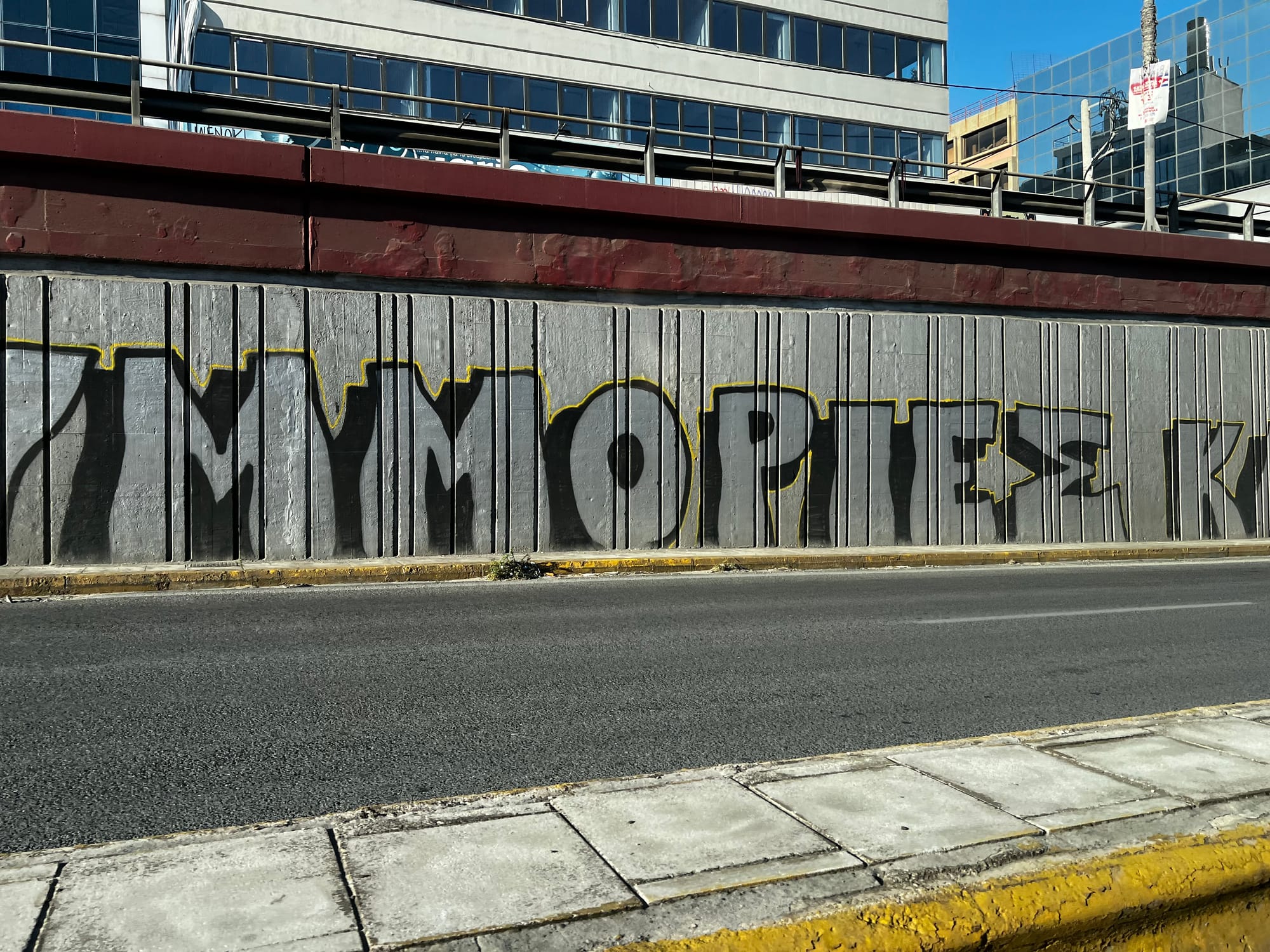
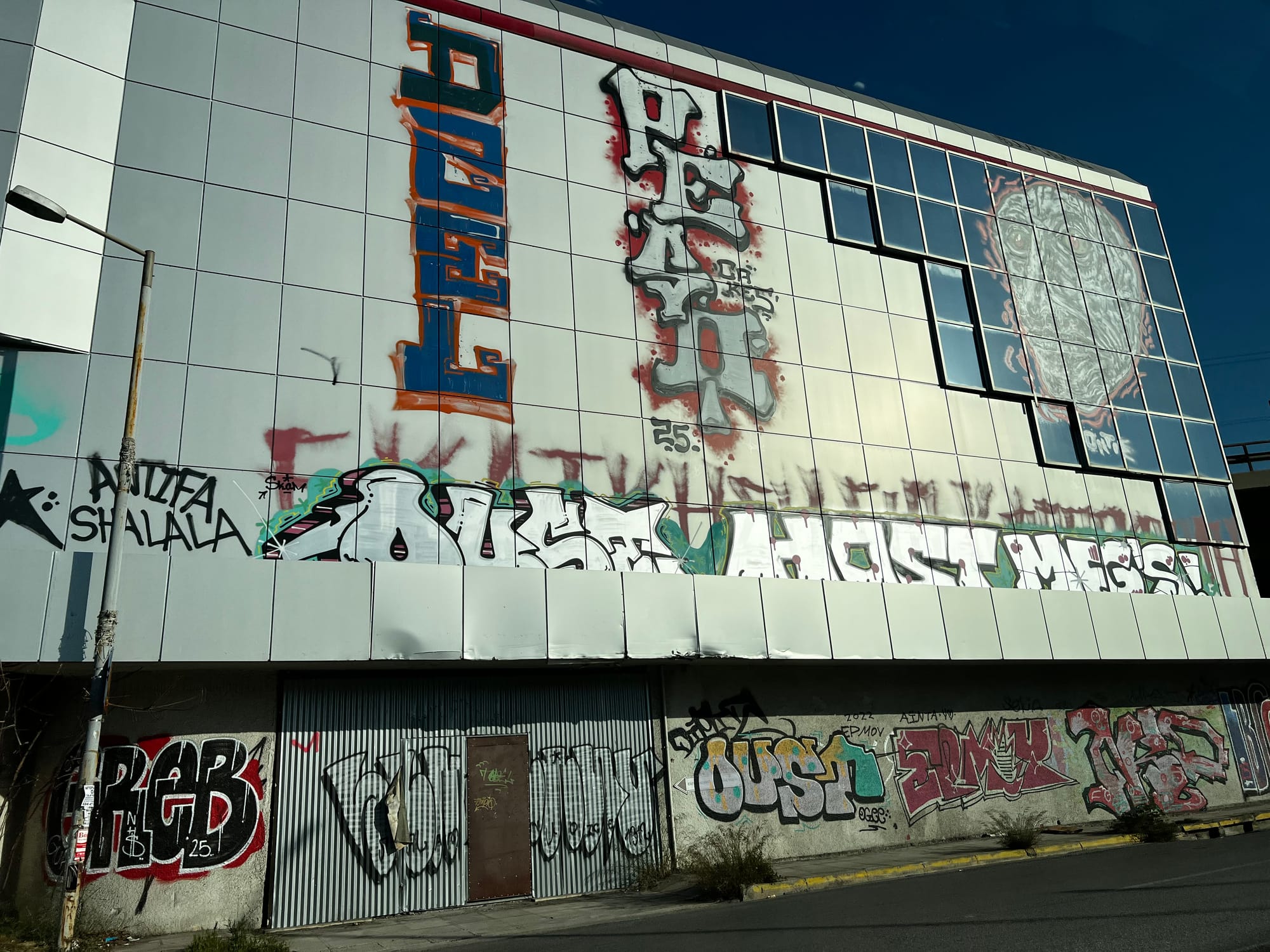
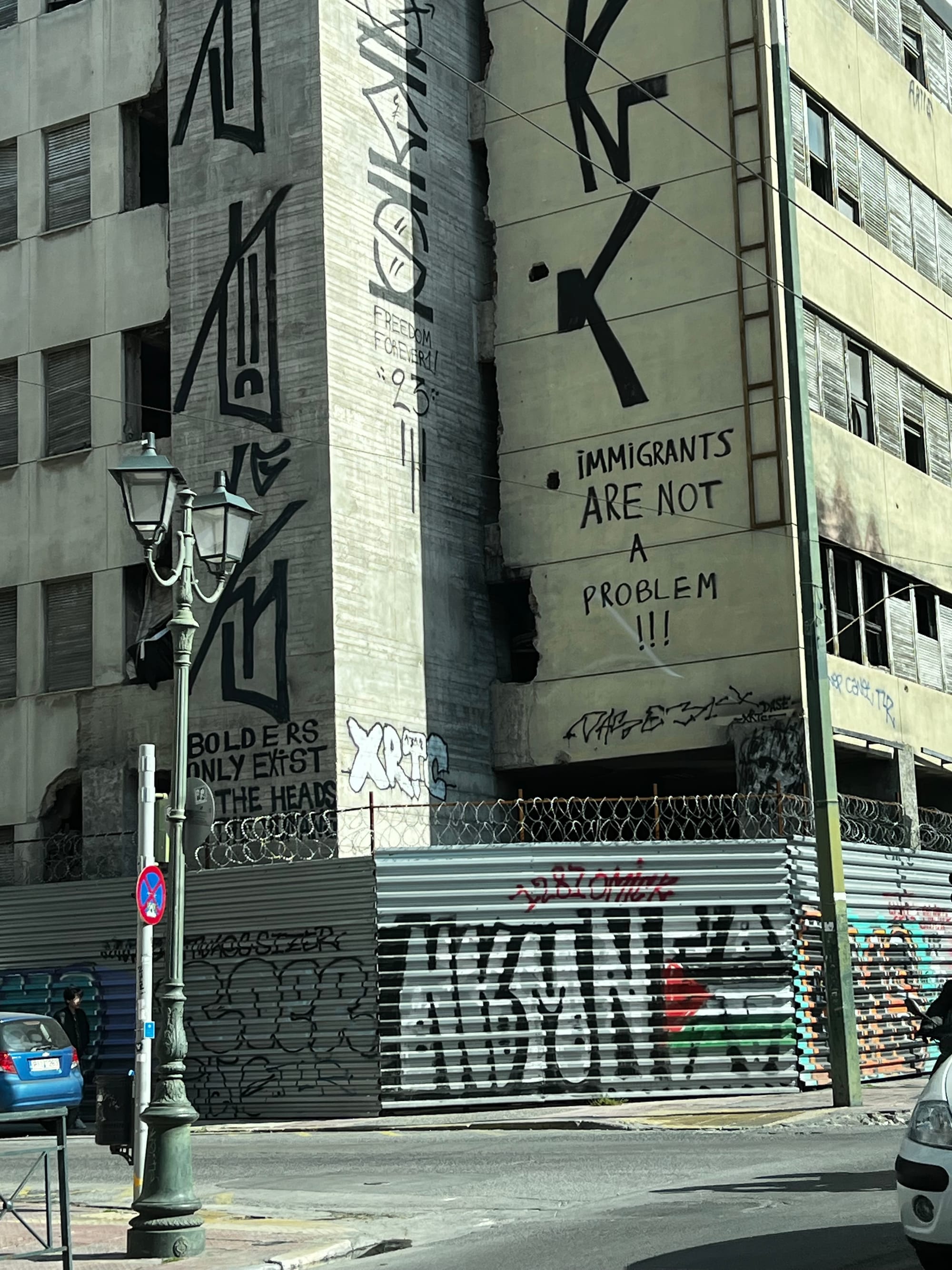
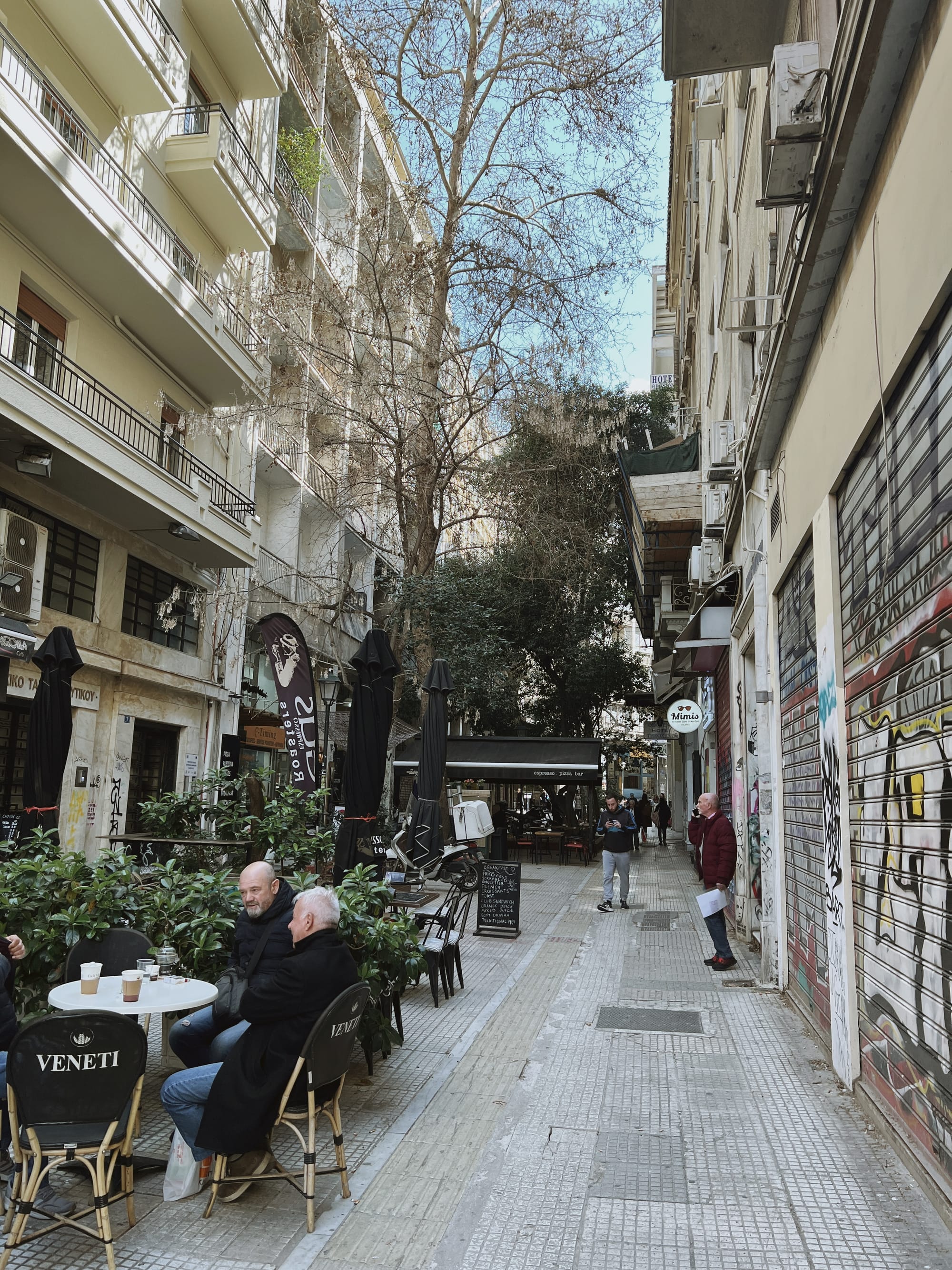
However, there are also recent elements of protest, and sometimes it can get a little violent—like this one. I actually did not see the text underneath the graffiti (the drawing is great, though) until my dad reminded me. There are tons of these graffiti everywhere in the Old Town because the walls are public space, not private property. The population density of Athens is more than three times that of Boston, and most people live in apartments, making the walls a space for people to express themselves.
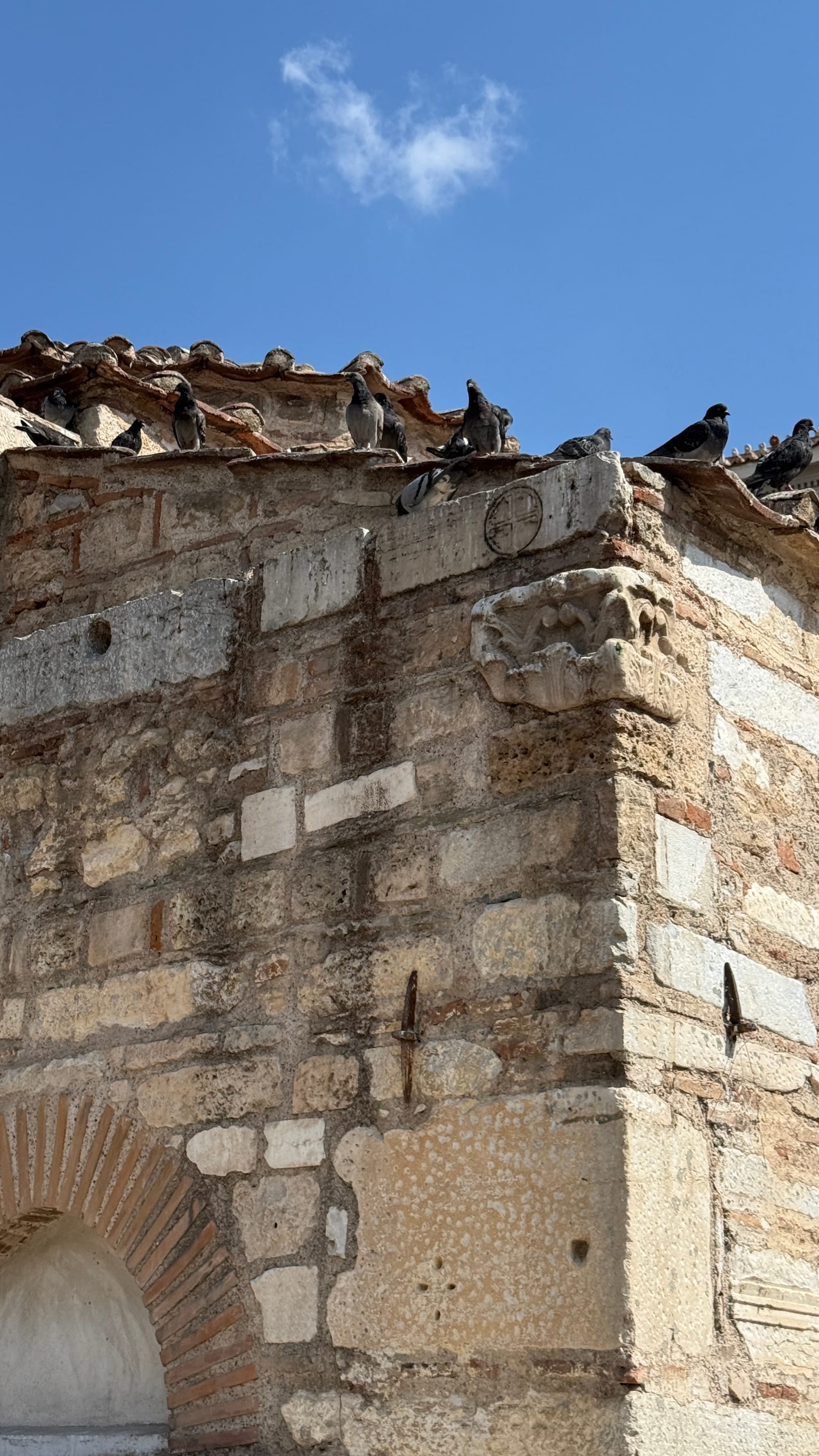
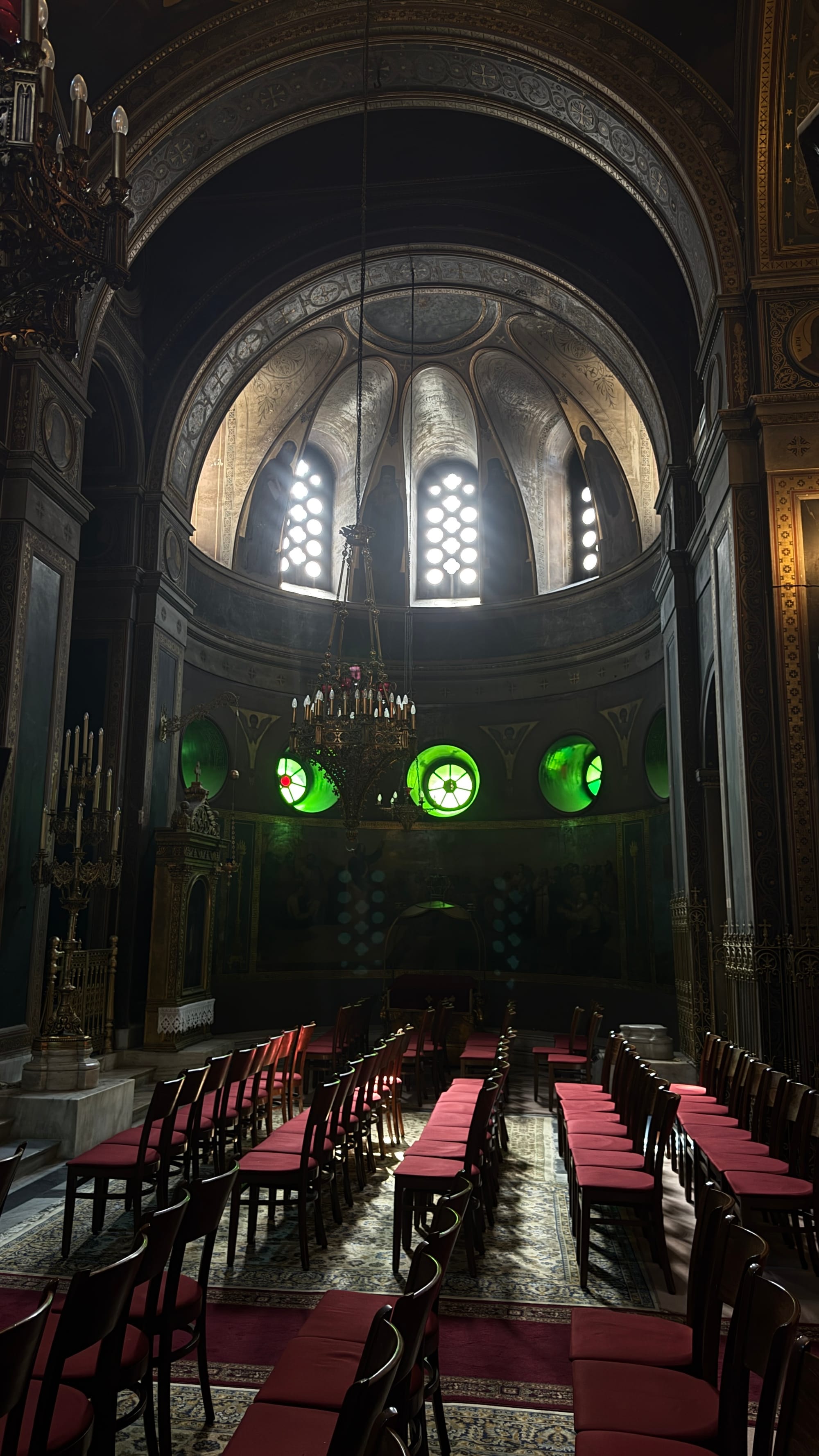
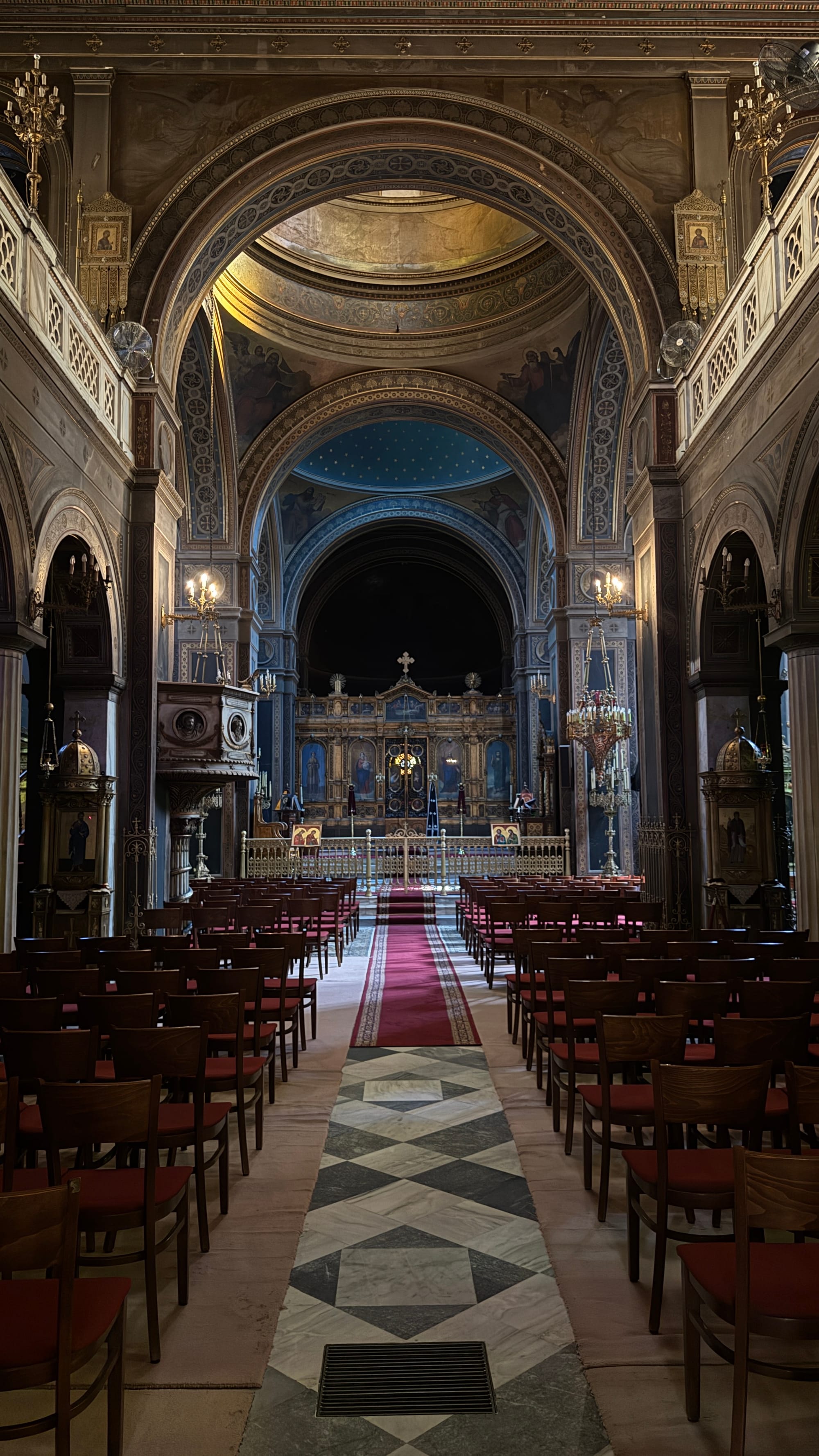
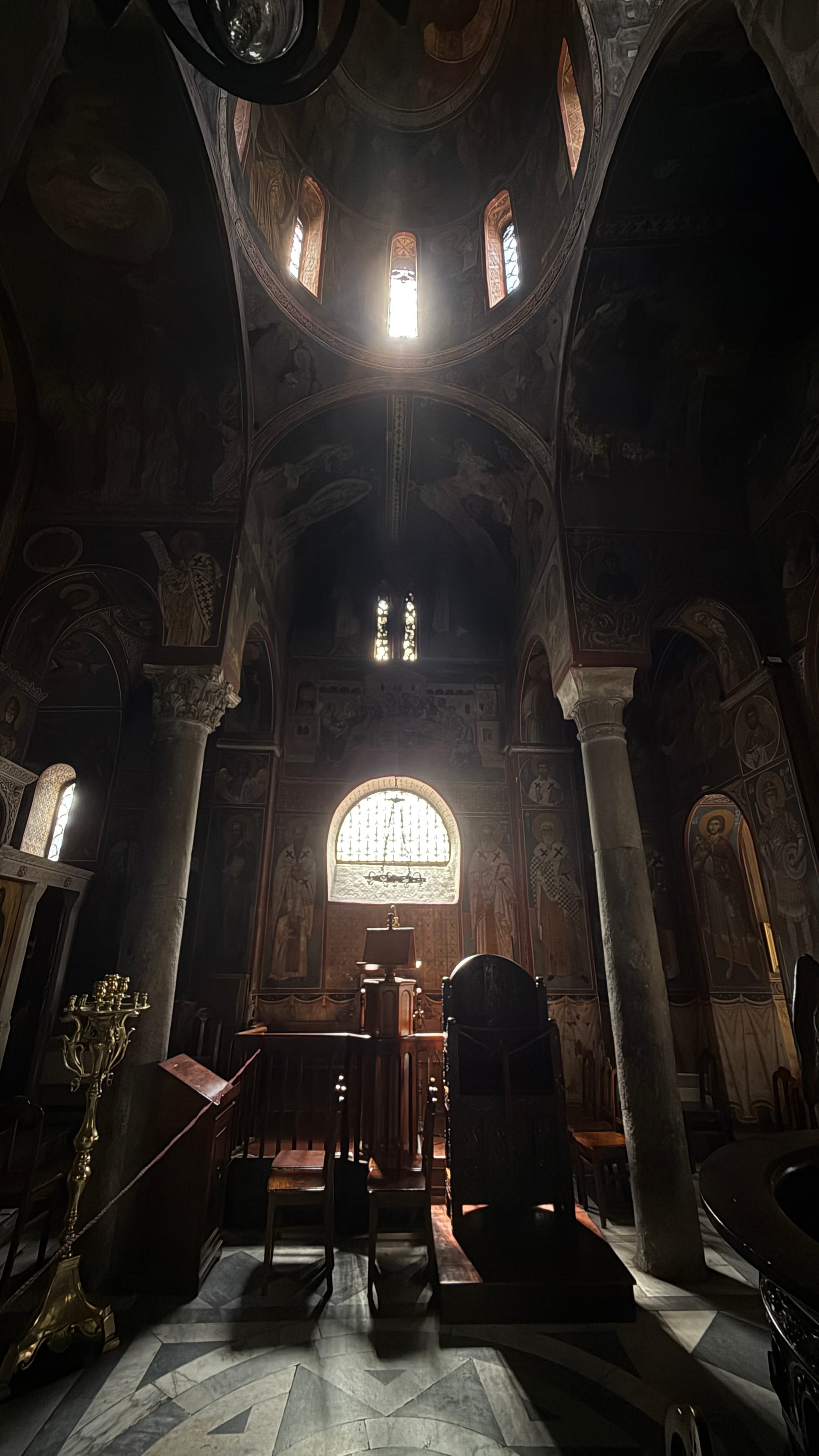
The Churches of Athens
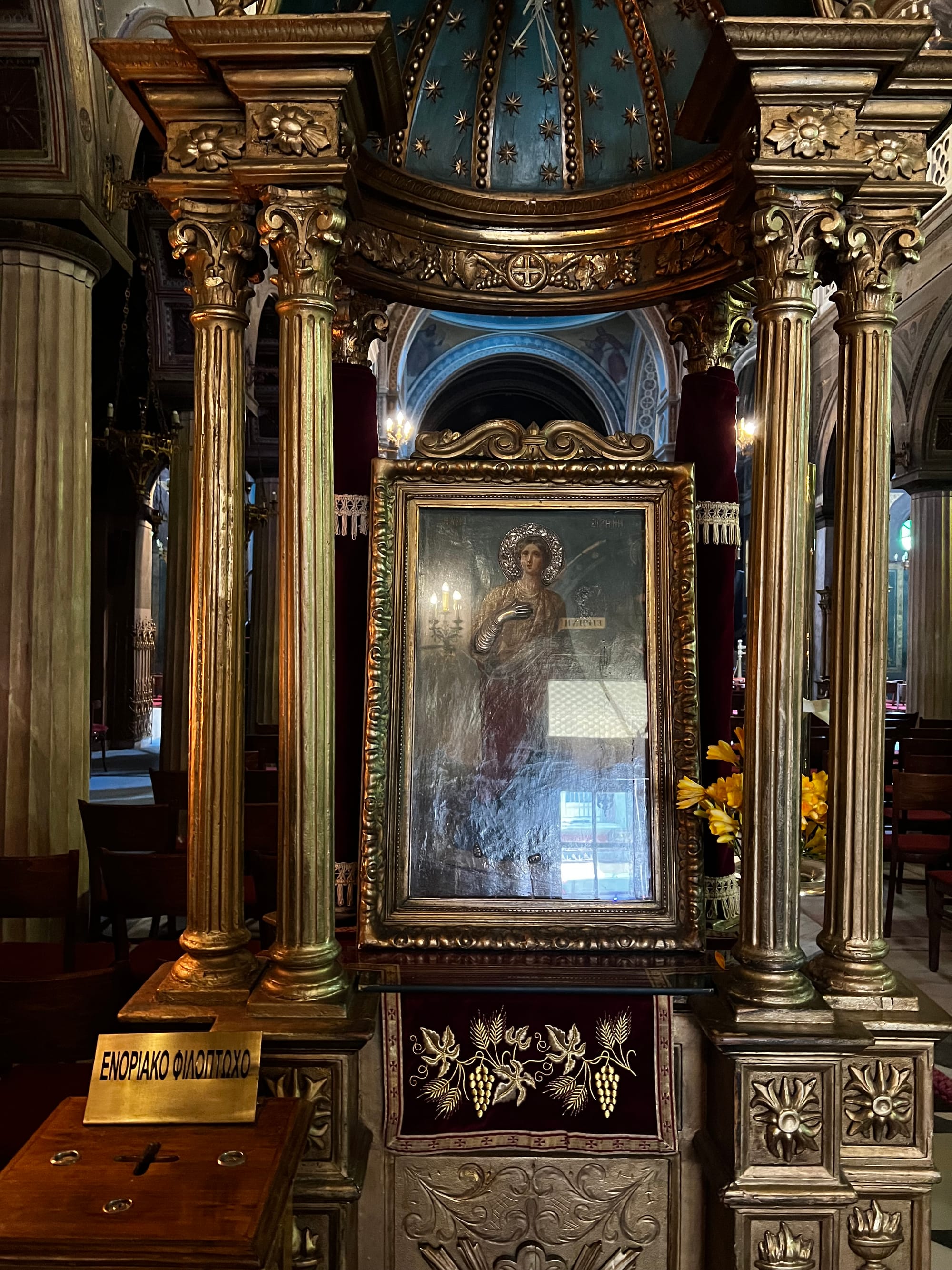
But there is no graffiti on the walls of churches (don’t you like the smooooooth transition?). Here are the ones we visited:
- Holy Church of Saint Irene (Ιερός Ναός Αγίας Ειρήνης): It was built fairly recently in the 1800s, but the site used to be a Byzantine-era church. It suffered serious damage during the Greek War of Independence. In 1832, when the Greek Kingdom changed the capital, Hagia Irene became the official cathedral of the new capital. It has witnessed the election of the Mayor of Athens, King Otto’s coming-of-age celebration, etc.
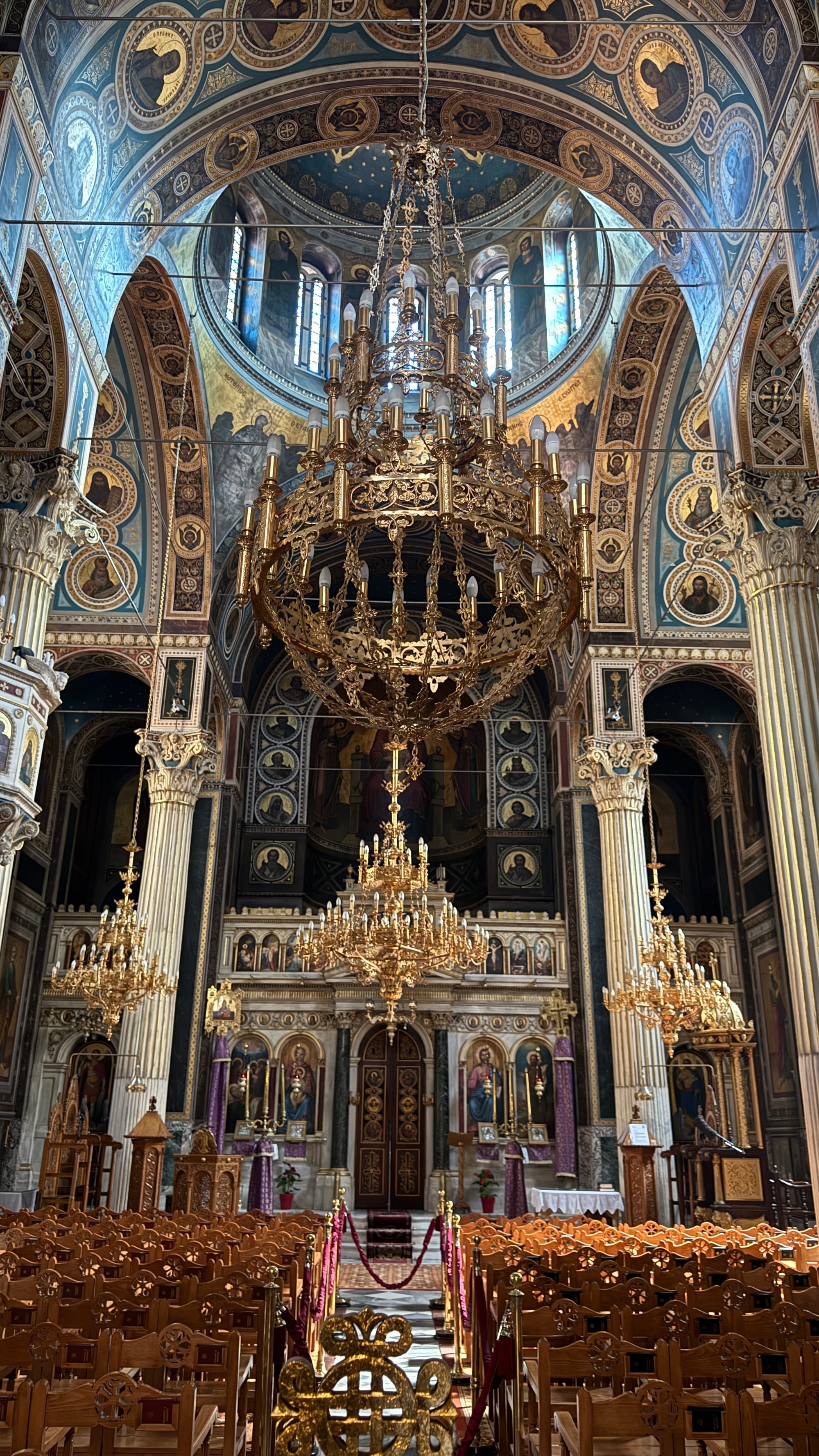
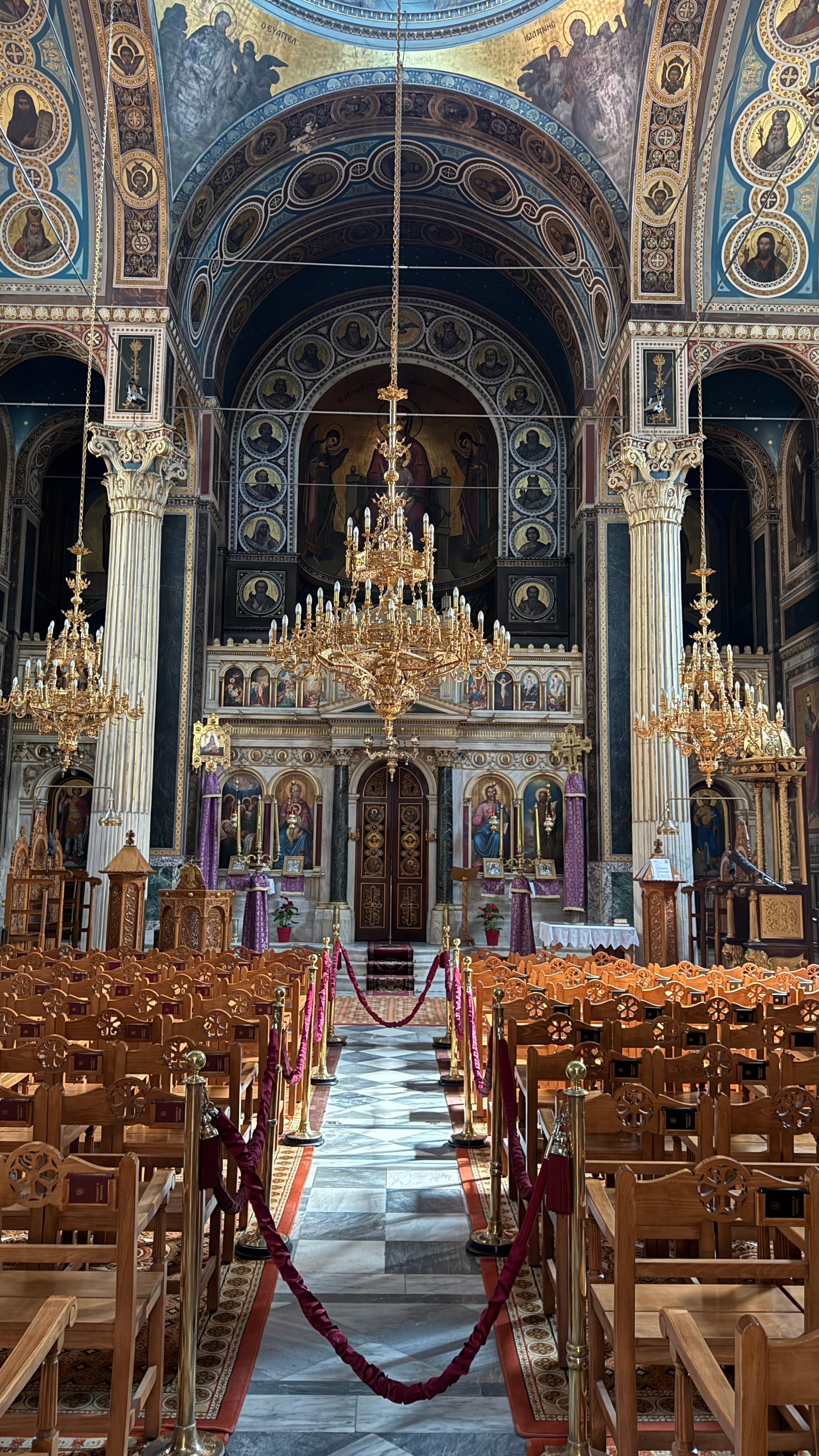
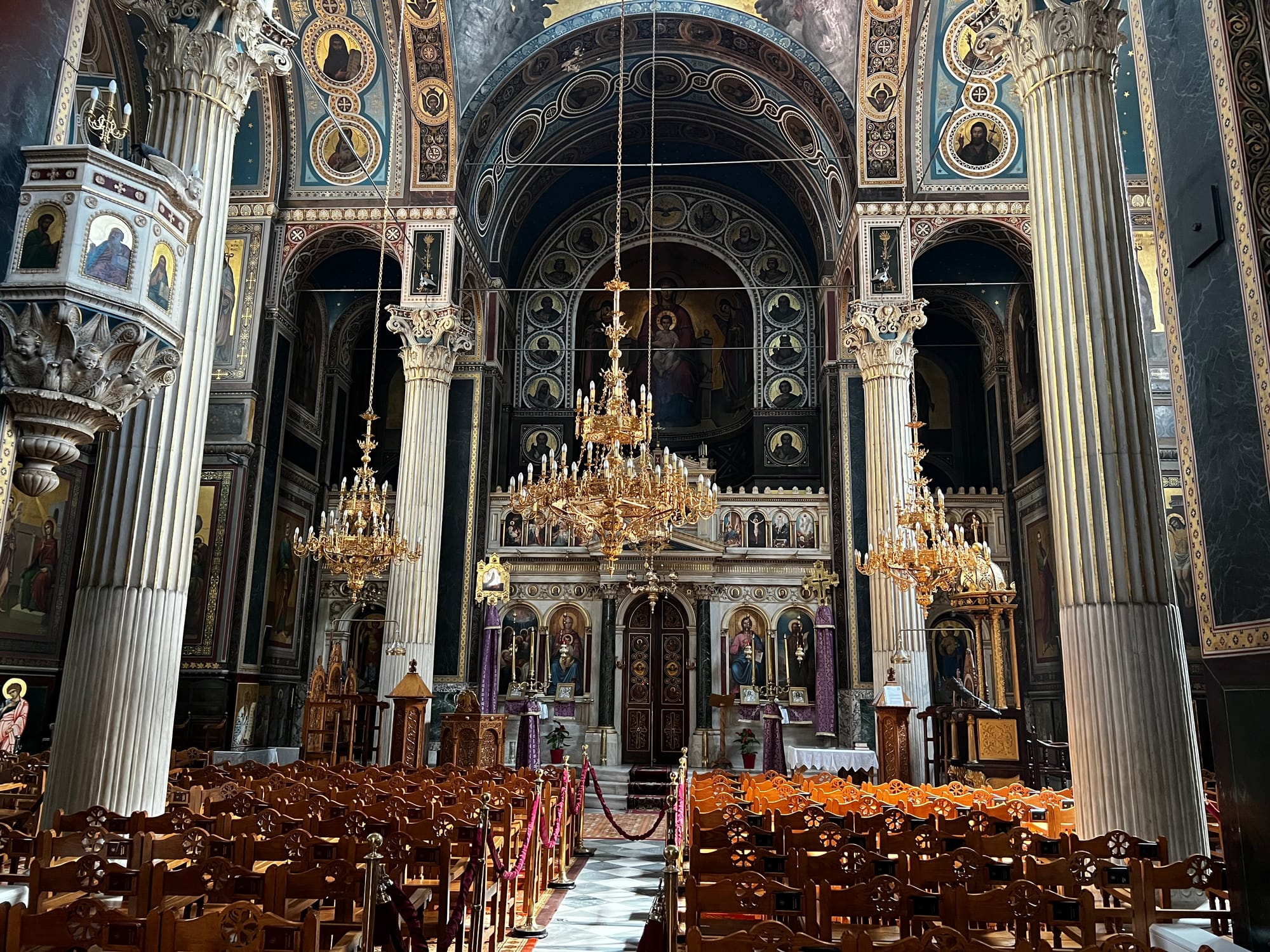
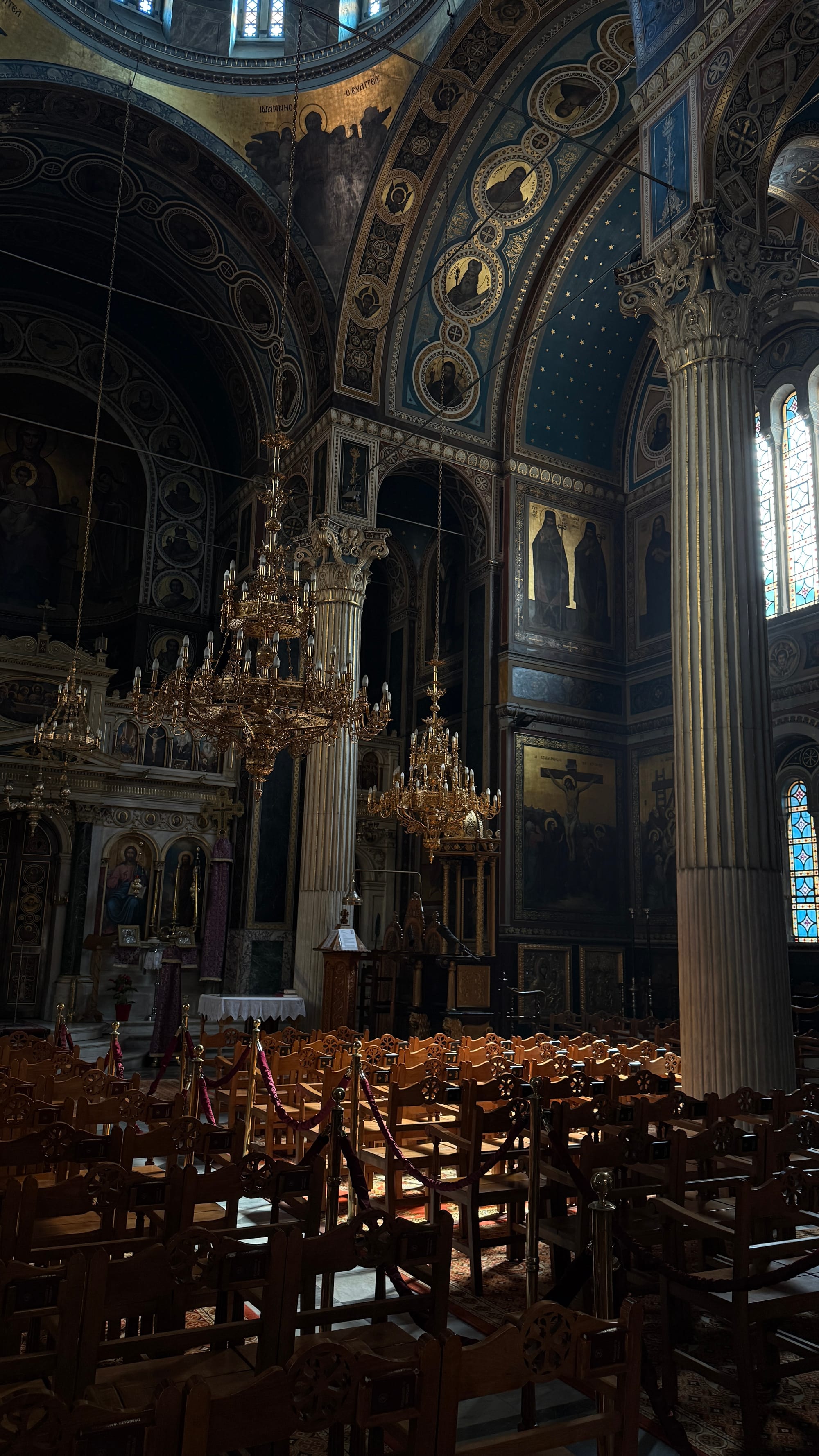
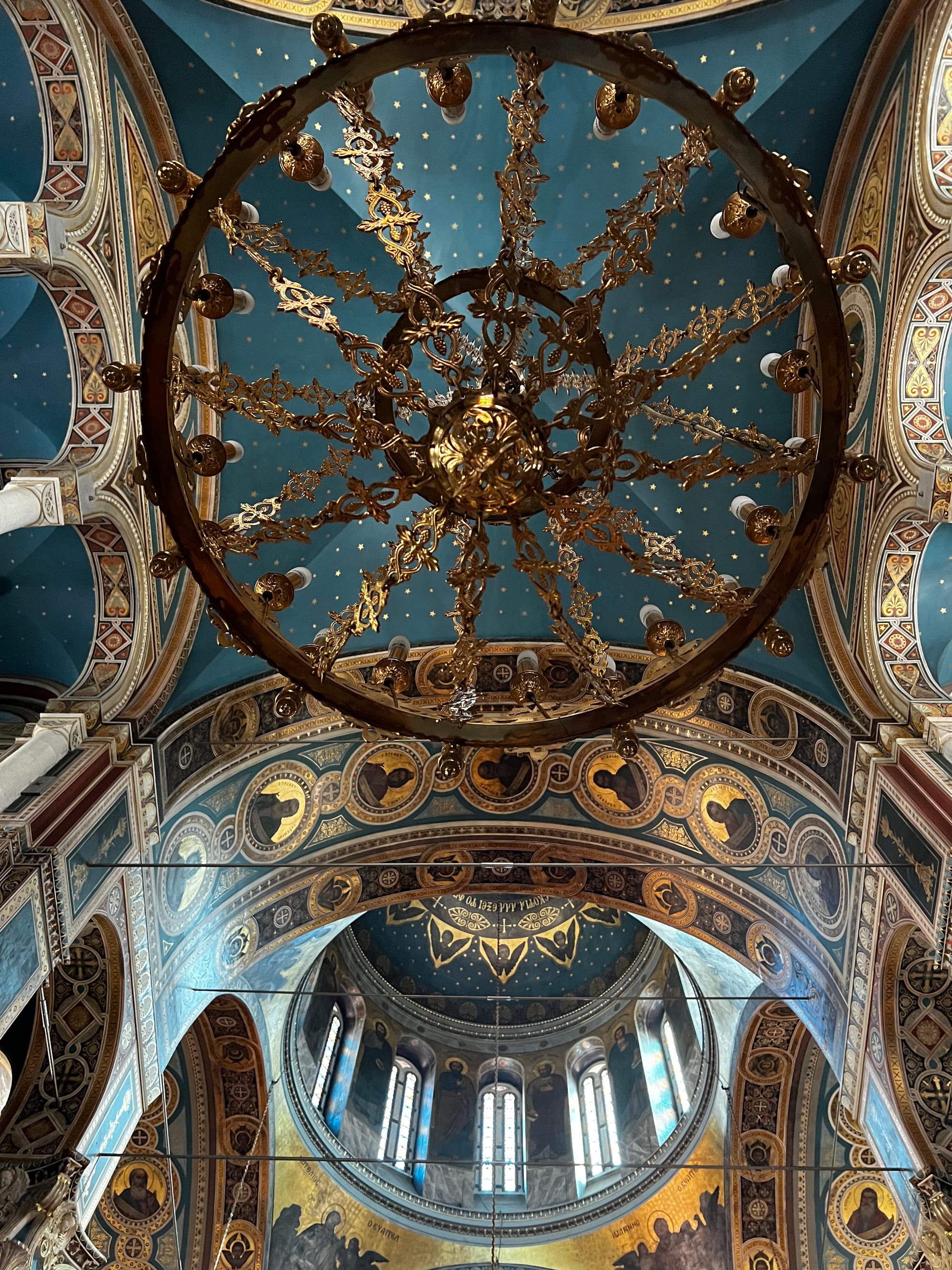
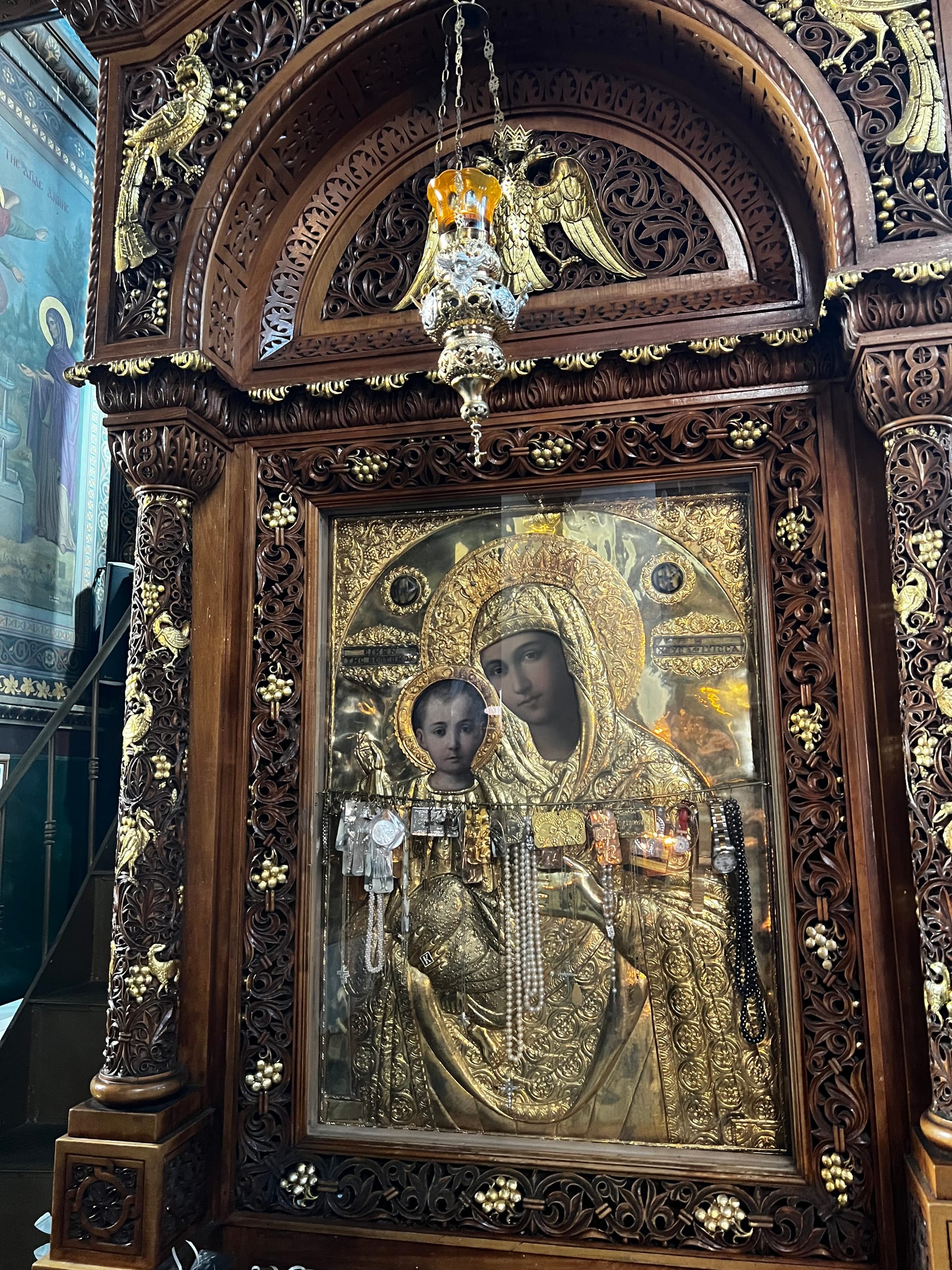
- Panagía Kapnikaréa Church (Ιερός Πανεπιστημιακός Ναός Εισοδίων της Θεοτόκου - Καπνικαρέα): This dates back to 1052 and was built over an ancient Greek temple for the goddess Athena or Demeter. King Otto was planning to demolish it, but the King of Bavaria saved the church. It has also survived Turkish bombing. An interesting thing about these ancient churches is that they are located right in the middle of the busiest business centers, with people singing on microphones on both sides of the church. When you visit, you experience an integration of modern and ancient feelings. You will know it when you are there.
- Holy Church of the Virgin Mary Pantanassa - Monastiraki (Ιερός Ναός Παναγίας Παντανάσσης): The church is referred to as the "Big Monastery" in a post-Byzantine sigillium of 1678. Furthermore, in the same document, it is mentioned that during the period of Frankish rule, it was annexed as a men’s monastery to the Kaisariani Monastery. During the period of the sigillium, the monastery functioned as a convent. From 1690 onwards, the church became a parish. From the revolution onwards, the church was no longer called "Big Monastery" but Mikromonastiro (Small Monastery) or Monastiraki.
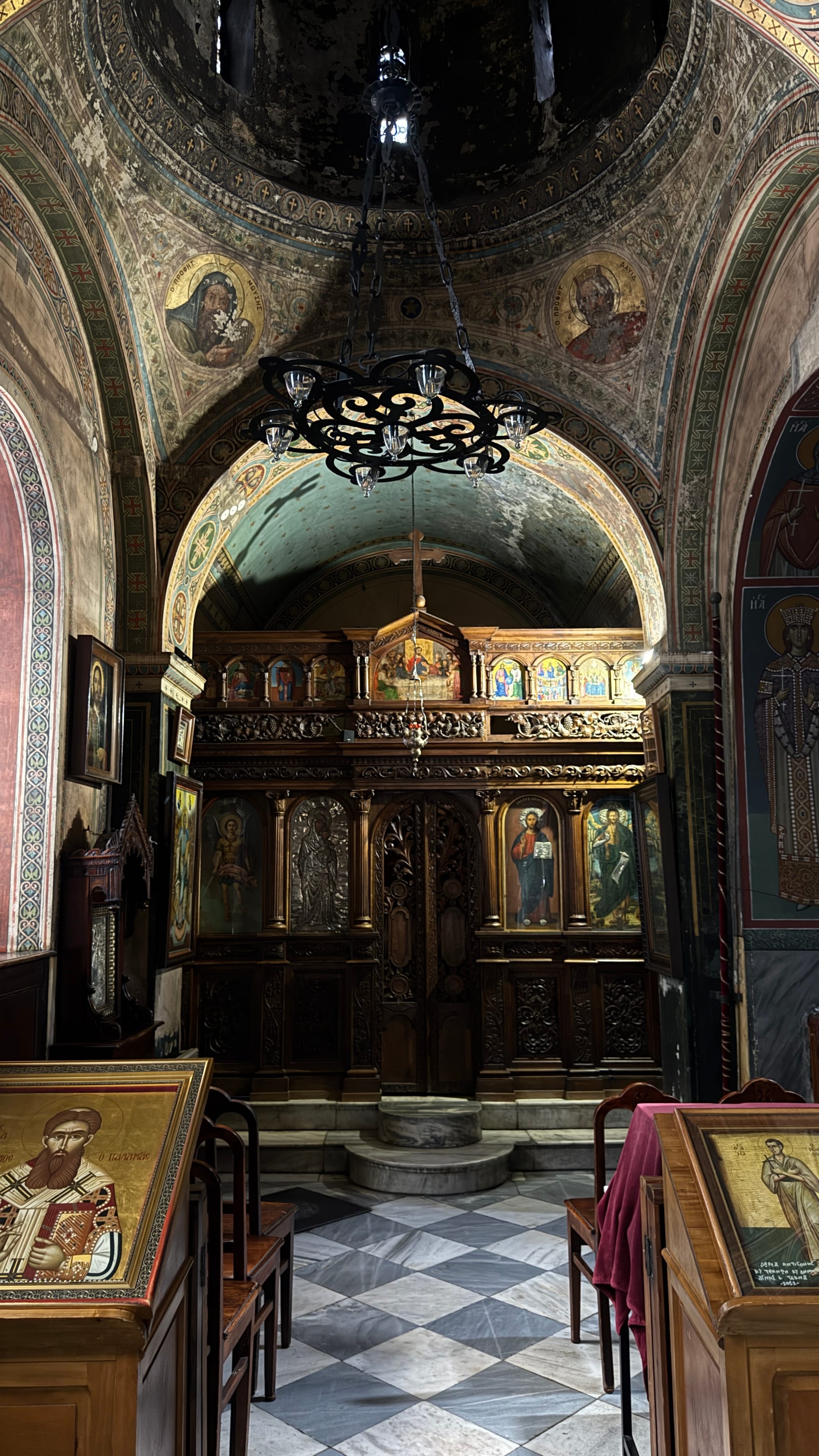
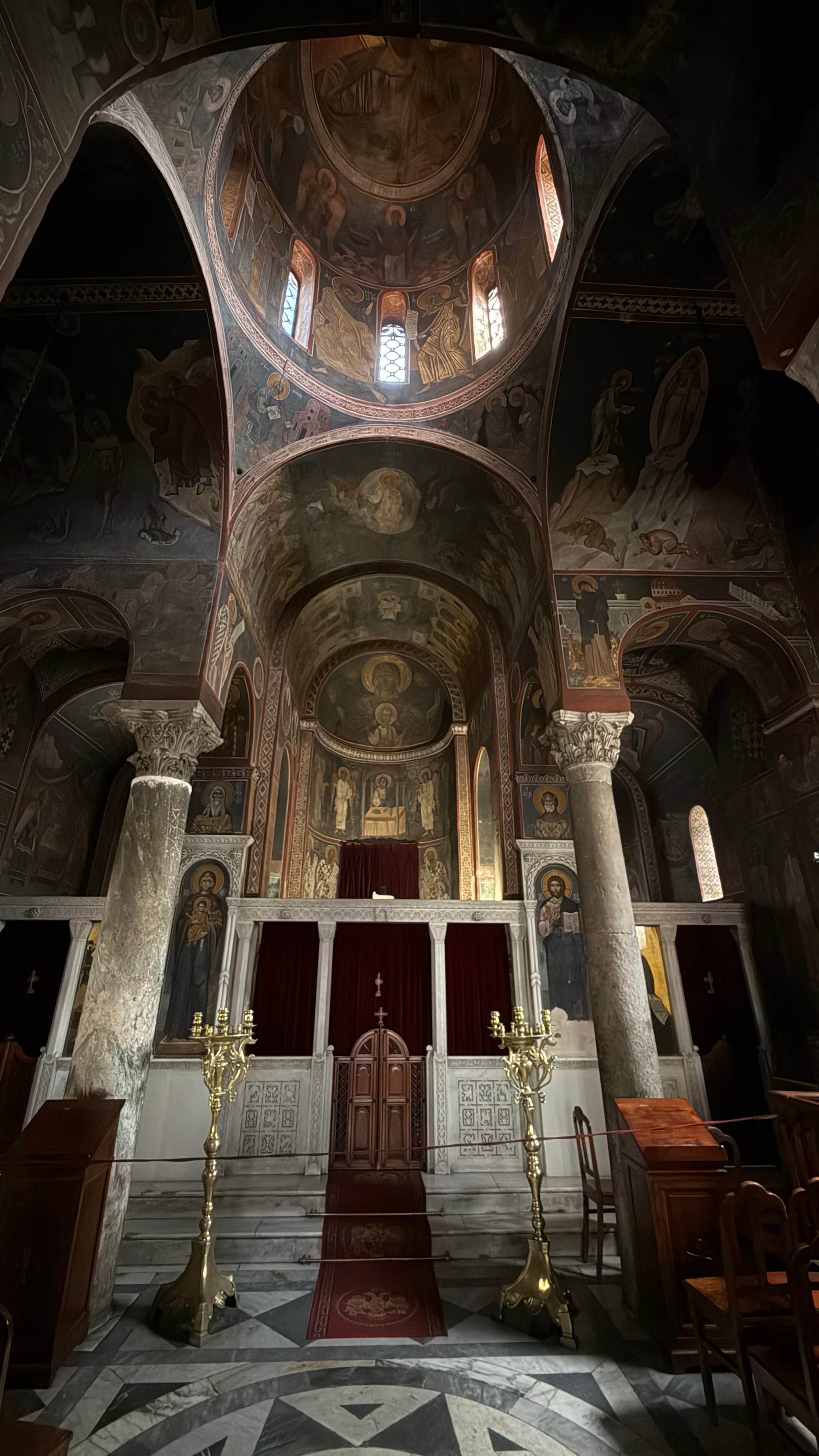
There are many other beautiful and interesting churches—the icons, the decorations, and the history are just incredible—but I shouldn't take away the joy of exploring. I also visited: - Holy Church of the Holy Apostles of Solakis (10th century)
- Holy Church of Saint Nicholas Rangavas
Also the coffee here is so good, much better than American coffee! My friend told us that Greek can just have a cup of coffee and yap for an hour, just like how I have yapped for 770 words now. Another proof that I am Greek at heart.